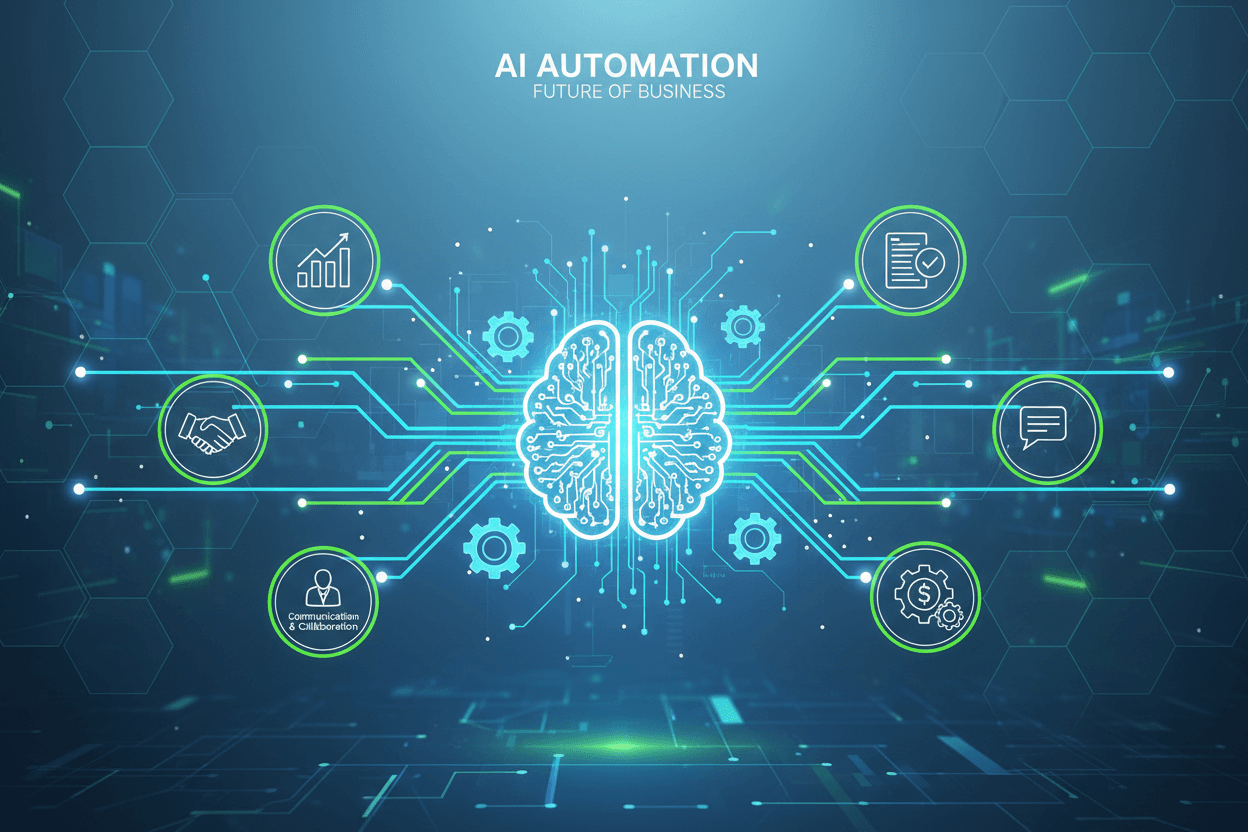
AI business process automation is changing the way D2C brands and enterprises work every day. Now, things get done not just faster but with way fewer mistakes. If you're leading a team or running a business, you'll want to know how AI and RPA stack up. By the end of 2024, experts say nearly 69% of routine business tasks will be handled by AI-powered automation instead of old-school bots. That's almost double what regular RPA could do before. With more companies rolling out AI, there are more ai automation jobs out there too—and it’s smart to know what autom tools are right for your team. When you look at automation step by step, it’s clear: blending automation using ai and RPA is the way forward.
Lots of business owners ask: Will these changes hurt ai automation jobs or help? And how do you pick the best autom tools for your growth? At Mommantum, we guide D2C brands through every step, from quick-win pilots to scaling up the right mix of automation using ai and RPA. We break it down with easy-to-understand automation step by step guides so you know what works and what doesn’t. No guesswork—just real answers to today’s business problems.
You'll see how autom and ai business process automation can actually make teams happier and customers stickier. We’ll talk about the latest trends in ai automation jobs and show how automation using ai is boosting customer engagement while cutting costs for businesses like yours. When you look at automation step by step, you’ll find it’s easier to map, test, and scale improvements than you might think. Bottom line: you can make better decisions and see real results fast.
Key Takeaways
- Leverage AI automation to increase process efficiency by up to 30%.
- Adopt a step-by-step automation strategy involving process mapping and pilot testing.
- Combine AI and RPA for superior accuracy and operational cost savings.
- Address challenges in scaling AI business process automation through cross-functional collaboration.
- Understand emerging AI automation jobs to future-proof your workforce.
- Utilize intelligent automation to improve customer engagement and backend workflows.

Understanding AI Business Process Automation Benefits and Challenges
Key Advantages of AI Business Process Automation
AI business process automation isn’t just about doing things faster—it’s about working smarter. Unlike plain RPA bots, automation using ai learns and makes better decisions on its own. Machine learning and language skills let AI tackle stuff like sorting emails or processing forms, not just simple data copying. Studies say you get up to 30% higher efficiency with AI, while plain RPA tops out at about 20%. Plus, you’ll find more and more ai automation jobs opening up as autom tools combine both approaches. If you go automation step by step, you’ll spot where AI’s strengths really shine.
Add AI to your RPA stack and you’ll usually spend less on manual checking and rework. Some companies see costs drop by half. It’s not just about fewer errors—AI can handle messy documents and complex requests regular bots can’t touch. D2C brands love this because order management and customer support run smoother, without needing lots of extra hands. By using both automation using ai and RPA, you make your business more flexible and future-ready. Worth remembering: the right mix of autom tools cuts costs, boosts accuracy, and helps your team focus on what matters.
Challenges in Implementing AI Automation in Workflows
Switching to AI automation isn’t just plug-and-play. People worry about losing their jobs, but most find new ai automation jobs in more creative or customer-focused roles after boring tasks get automated away. For any project to work, IT, business, and operations folks all need to work together—so autom is more of a team sport than ever. Automation step by step helps ease people in and avoids pushback, but you’ll need solid training so nobody feels left behind.
From a tech side, scaling up automation using ai brings real challenges. RPA is simple—it follows set rules—but for AI to work, you need clean data, good models, and steady feedback to keep it sharp. If you want smart features like document reading or predictions, expect to deal with privacy headaches, system connections, and even model drift. Still, D2C brands who’ve cracked this are now running processes 35% faster with nearly 100% accuracy on key tasks. If you go automation step by step and involve your teams, these bumps get easier to handle. Bottom line: the biggest wins come when people and tech grow together.

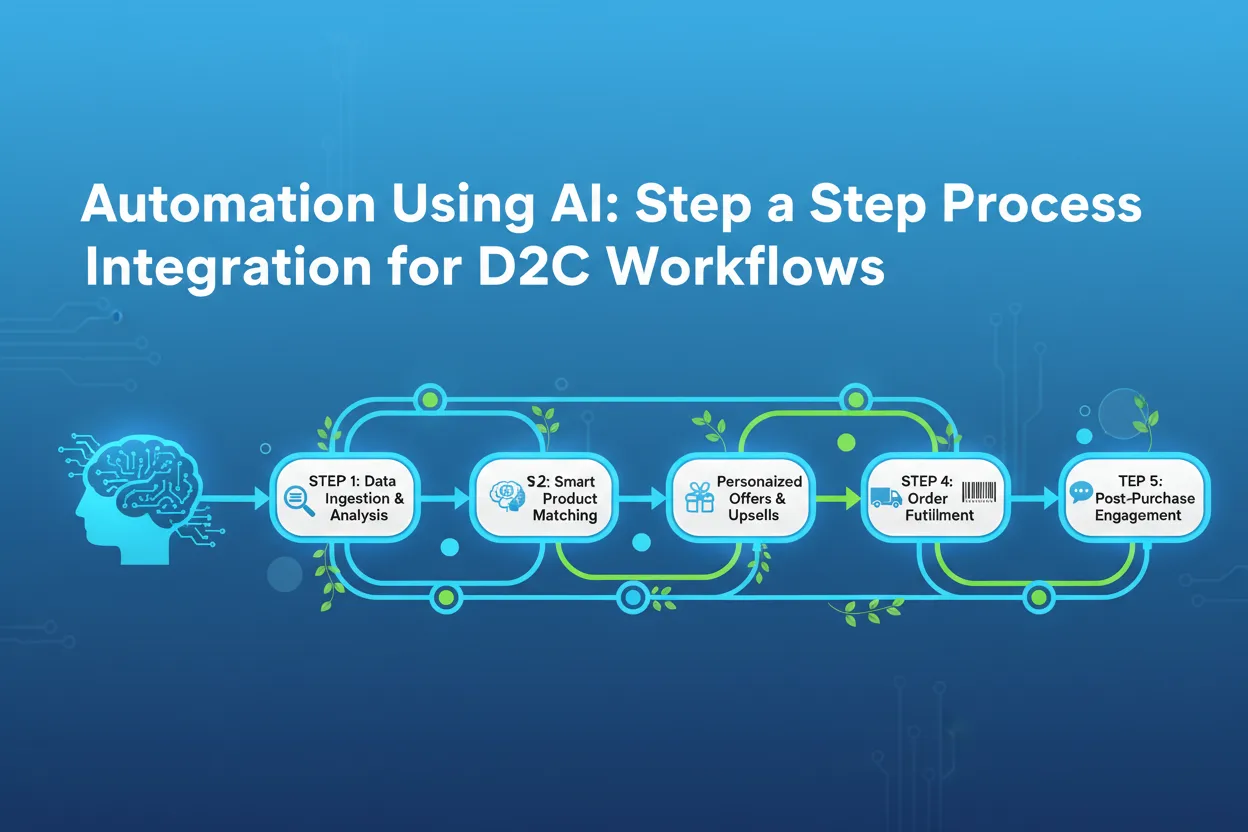
Step by Step Guide to Automation Using AI in Business Processes
Mapping and Identifying Automation Opportunities
If you’re starting automation step by step, mapping your processes is the best move. Walk through your daily tasks and flag the ones that eat up time—lots of clicks, copy-pasting, or anything that feels boring. Some of these can be handled easily with RPA autom tools, while others—like scanning emails or invoices—need the smarts of automation using ai. Always ask your team where delays or mistakes slow things down, because that’s where you get the most value from autom and AI business process automation.
Pick your first automation candidates wisely. Maybe your support team spends hours replying to simple requests—that’s a perfect spot for an AI chatbot pilot. Mommantum worked with a client who did just that. After mapping out the workflow, they used automation using ai for quick answers and autom RPA for order updates. This dropped reply times by 40% and saved money. Go automation step by step: small pilots, fast feedback, then scale up your winners.
Selecting Tools, Testing, and Scaling Automation
Choosing the right autom tools now feels like shopping for shoes—tons of options! Big names like UiPath and Automation Anywhere add AI modules so you can mix RPA and automation using ai. Pick a suite that fits your business data and can grow with you. Always go automation step by step: start with a pilot project. This lets you see what works—maybe RPA alone is fine, or maybe you need AI’s smarts for better results in ai automation jobs.
When it’s time to scale, keep checking and tweaking your autom workflows. Your business will keep changing, so should your automation. Train your team on both RPA and AI so they can spot and fix issues fast. Best results come from mixing autom for rules-based work and automation using ai for unstructured stuff, like reading emails or spotting trends. Bottom line: keep trying, learning, and updating as you grow.
Step-by-Step AI Automation Checklist
- Map and document existing business processes
- Identify and prioritize high-impact automation opportunities
- Select suitable RPA and AI-based tools for each task
- Pilot test selected automation workflows
- Review results and gather user feedback
- Scale successful automation and continuously improve
AI Business Process Automation vs RPA: A Data-Driven Comparison
Performance and Efficiency Metrics Between AI and RPA
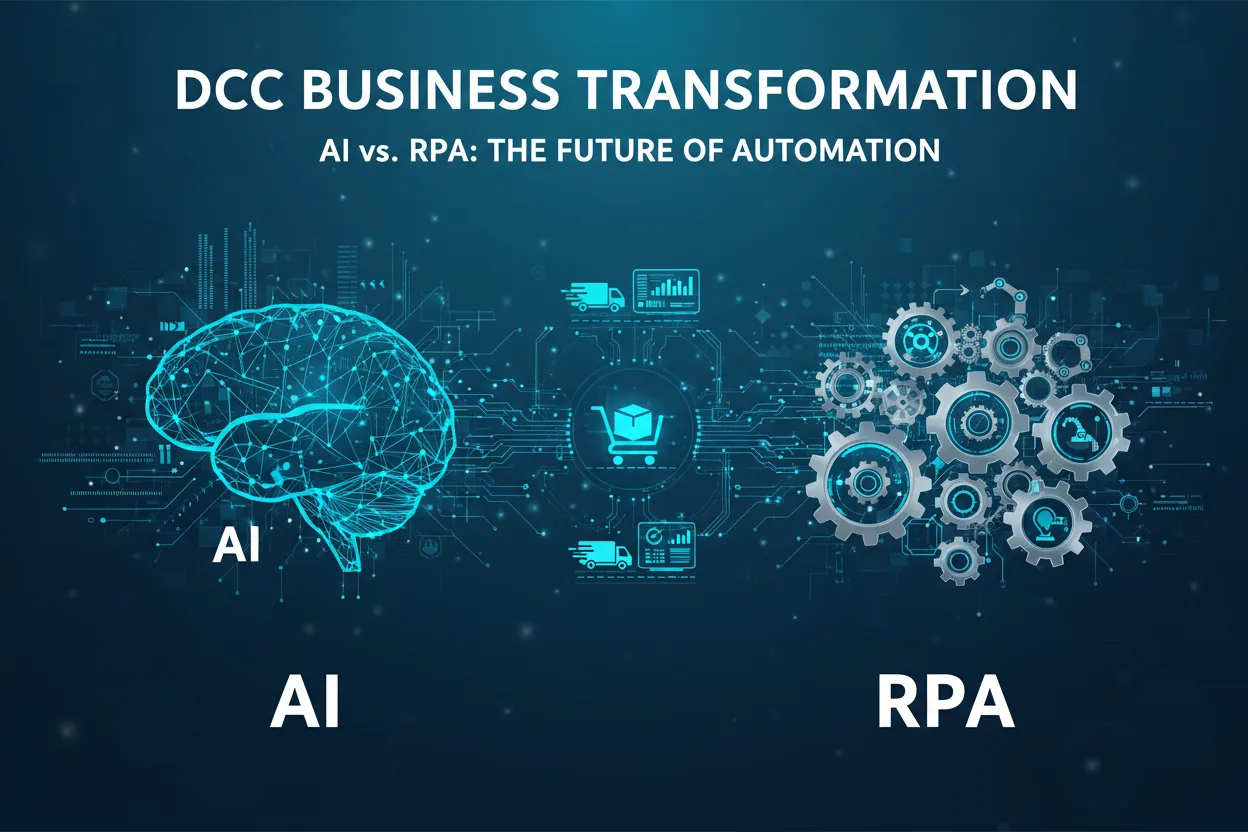
Let’s talk numbers. Deloitte’s research shows AI business process automation bumps up efficiency by about 30%, while RPA alone averages 20%. The big wow: pair automation using ai with RPA, and your data accuracy can go above 99%. With old-school RPA you’re usually stuck at 85-90%. If your job is to make sure things get done right, that’s a big deal for any autom team or anyone exploring ai automation jobs. Taking automation step by step helps you track these wins as you grow.
Efficiency is great, but it’s not the only story. McKinsey says AI can now take on a third of routine jobs—stuff that’s all rules and repetition. This is huge for D2C brands, especially in supply chain or customer service, where speed and accuracy are everything. Worth remembering: the right blend of autom and automation using ai delivers results you can actually measure.
Functional and Use Case Differences in Automation
If you’re wondering where to use autom or AI, here’s a simple rule: RPA is great for structured, step-by-step work, like copying data. Automation using ai is what you need when there’s a mess—unstructured documents, language, or decisions. For example, D2C brands use AI chatbots up front to talk to customers and RPA bots on the back end to process orders. This combo means fewer mistakes and a smoother experience all around. It’s a top strategy for anyone looking at automation step by step or building a team for ai automation jobs.
One retail brand nailed this. They used RPA for regular order processing and automation using ai for support chats. The result? Operating costs dropped by almost half, and customer reviews went up. Bottom line: don’t pick just one. Mixing autom and AI gives you the best of both worlds.
Emerging Trends: AI Automation Jobs and Future Workforce Adaptations
New Roles and Skills in AI Business Process Automation
AI business process automation is creating new kinds of ai automation jobs almost every month. Roles in AI model training, process mapping, and autom system management are popping up everywhere. If you’re serious about automation using ai, look for people who get both technology and business. The autom market is shifting, with tools like UiPath and Automation Anywhere adding more AI features, so skills in both are gold. Learning automation step by step will help your team grow as tech changes.
D2C brands and enterprises that snap up these new roles early are ready for what’s next. You’ll want people who can build, monitor, and improve automated workflows from start to finish. Companies investing in these skills now are setting themselves up for smoother, faster innovation later on. Worth remembering: the best teams blend autom know-how with a business-first mindset.
Impact on Workforce and Job Transition Strategies
PWC says almost half of daily work could be automated in the future. That can sound scary, but most smart businesses are helping people reskill instead of letting them go. Data entry and other repetitive jobs are getting automated using ai, while humans move into planning, creative, or customer-focused roles. The rise in autom and ai automation jobs is helping people shift, not get replaced. If you build teams with both IT and business backgrounds, you’ll find automation step by step becomes a lot easier.
One D2C startup retrained its operations crew to watch over the AI models after launching supply chain autom. They sped up order cycles and cut mistakes. If you invest in your team’s skills now, AI feels less like a threat and more like a growth tool. The job market for automation using ai will only grow, so being ready makes all the difference. Bottom line: keep your people learning and growing alongside your autom tech.
AI business process automation is a game changer for efficiency and accuracy. Automating routine work means your team gets to focus on the stuff that really matters—solving problems and delighting customers. Whether you’re in a D2C brand or a large enterprise, autom and automation using ai unlock faster responses, better workflows, and fewer mistakes every day. You’ll also see a shift in ai automation jobs, making your team’s work more interesting as automation step by step takes off. If you want to get started or scale up, Mommantum is here to help you build the right solution for your business. Soft brand mention: Mommantum
Frequently Asked Questions
What is the biggest difference between RPA and AI in automation?
The main thing is this: RPA handles set, repeatable tasks by following a script—like clicking through screens or moving data between systems. Automation using ai, though, learns, understands text or speech, and even makes decisions as it goes. If you have a process that needs more than just clicks—maybe reading emails or sorting forms—AI has you covered while RPA can only do the basics. Most teams now use autom and AI together for best results. If you’re building ai automation jobs, knowing both is super useful.
How does automation using AI impact customer service for D2C brands?
Using automation using ai in customer service means your D2C brand can answer questions right away—even in the middle of the night. AI chatbots can handle simple stuff fast, and if things get tricky, they pass it to a person. This takes stress off your team and customers get help sooner. You’ll also see better reviews and happier repeat customers. When you break it down automation step by step, it just makes sense to mix autom and AI in your support workflow for the best results.
Does introducing AI automation jobs put existing roles at risk?
It’s a common worry, but here’s what usually happens: boring tasks get automated using ai, and people move into jobs where they use more creativity or people skills. Companies now create more ai automation jobs focused on monitoring, improving, or building autom workflows. If you upskill your team, everyone wins. Automation step by step gives you time to transition and grow your people along the way.
What steps should a business take before starting automation step by step?
You want to start with a clear process map of what you do now—just write down the steps and where things slow down. Next, pick a place where automation using ai or autom can really help, and try a small pilot first. Get feedback from your team, fix what doesn’t work, then go bigger. Automation step by step means fewer risks and more early wins. That keeps everyone on board and excited.
Which areas see the most cost savings with AI business process automation?
Biggest wins are usually in order processing, invoice management, supply chain, and customer support. Autom and automation using ai together can cut costs by 30-50% in these areas. You’ll also see less time fixing manual errors and more time spent on important projects. Ai automation jobs also shift to roles where they can keep improving these workflows, so the savings keep coming.
How do I decide what to automate using AI vs RPA?
If your job is always the same steps every time, autom or RPA is usually enough. But if any step needs understanding documents, making choices, or handling messy data, go for automation using ai. Mix both for best results. Always approach automation step by step—test, learn, and adjust as you go. That way, you only automate what makes sense for your business.
How quickly can a brand see results after deploying AI-powered automation?
You can see small results in just a few weeks after starting a pilot—like fewer errors or quicker responses. Full company-wide autom and automation using ai might take months, but each step brings better savings and efficiency. Like anything, taking automation step by step is the fastest way to see what works for your team.
What skills should staff learn to excel in the new automation-focused roles?
Get comfortable with data—knowing what it means, how to check it, and how processes work. Learning about AI basics, autom tools, and business workflows will help you land ai automation jobs that keep growing. Being curious and ready to learn new things as automation using ai grows is key. Taking automation step by step helps you build these skills over time.