How to Monetize Instagram Reels: 5 Practical Income Routes for Indian Creators and Brands, With Account Checks, Clear Offers and Measurement That Separates Views From Gifts, Client Fees and Actual Sales
Choose a Reels income route with a real payer. Check account tools, brand work and offers, then measure earnings separately from views.
Introduction
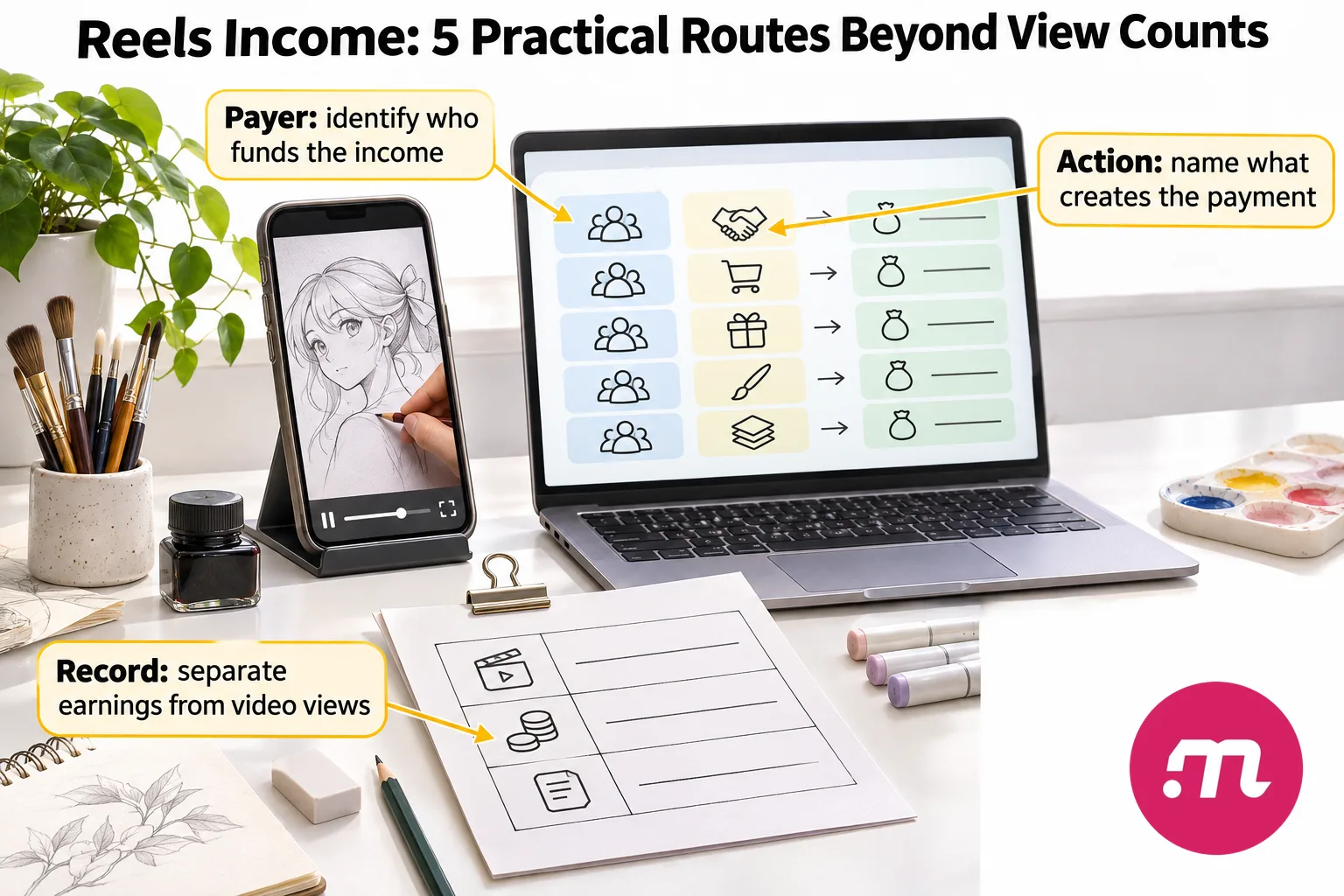
How to monetize Instagram Reels is a question about who pays you, not simply how many people watch. A Reel can attract attention without creating a gift, a brand invoice or a sale. We'd choose the income route before increasing production, because each route needs a different offer and a different way to measure whether it worked.
For Indian creators and small brands, start with the tools actually available to the account, then consider commercial work and customer sales separately. This guide is prepared on 11 November 2026. Eligibility and rollout can change, so treat the account's current requirements as the decision point rather than an old screenshot or another creator's follower count.
Table of Contents
- 1. Introduction
- 2. How to monetize Instagram Reels with a clear offer
- 3. Check how to monetize Instagram Reels on your account
- 4. Match fan support to something worth returning for
- 5. Sell defined brand work rather than vague reach
- 6. Connect affiliate links and offers to the right viewer
- 7. Measure the path from the Reel to income
- 8. Fix the common mistakes before increasing output
- 9. Conclusion: choose the payer before chasing plays
- 10. FAQs
How to monetize Instagram Reels with a clear offer
Identify who will pay
There are five practical routes to assess: fan Gifts, subscriptions, brand work, affiliate commissions and your own products or services. The first two depend on access to the relevant platform tools. The others depend on a commercial agreement or an offer someone actually wants.
| Route | Who pays | What must happen | What to inspect |
|---|---|---|---|
| Gifts, where available | Supporters through the platform | A viewer sends support through the tool | Eligibility, setup and recorded earnings |
| Subscriptions, where available | Subscribers | Someone chooses an ongoing paid offer | Access and ability to deliver continuing value |
| Brand work | A business client | You deliver agreed production or promotion | Brief, usage, acceptance and payment |
| Affiliate commissions | An affiliate partner | A qualifying action meets the programme terms | Permitted placements and confirmed commission |
| Your own offer | A customer | A viewer buys a product or service | Enquiries, completed orders and delivery |
Separate views from an earnings event
When someone asks, "does Instagram pay money for Reels?", the useful follow-up is which programme or transaction they mean. Views alone aren't evidence that the account has earned anything. We'd keep the platform's earnings record, client invoices and customer orders as separate income lines.
For an illustrative example, imagine a Jaipur illustrator publishing drawing demonstrations. They might sell commissioned work, make a paid video for a stationery brand or receive eligible fan support. These are possible business models, not reported client results or guaranteed outcomes.
Check how to monetize Instagram Reels on your account
Inspect the current tools before planning income
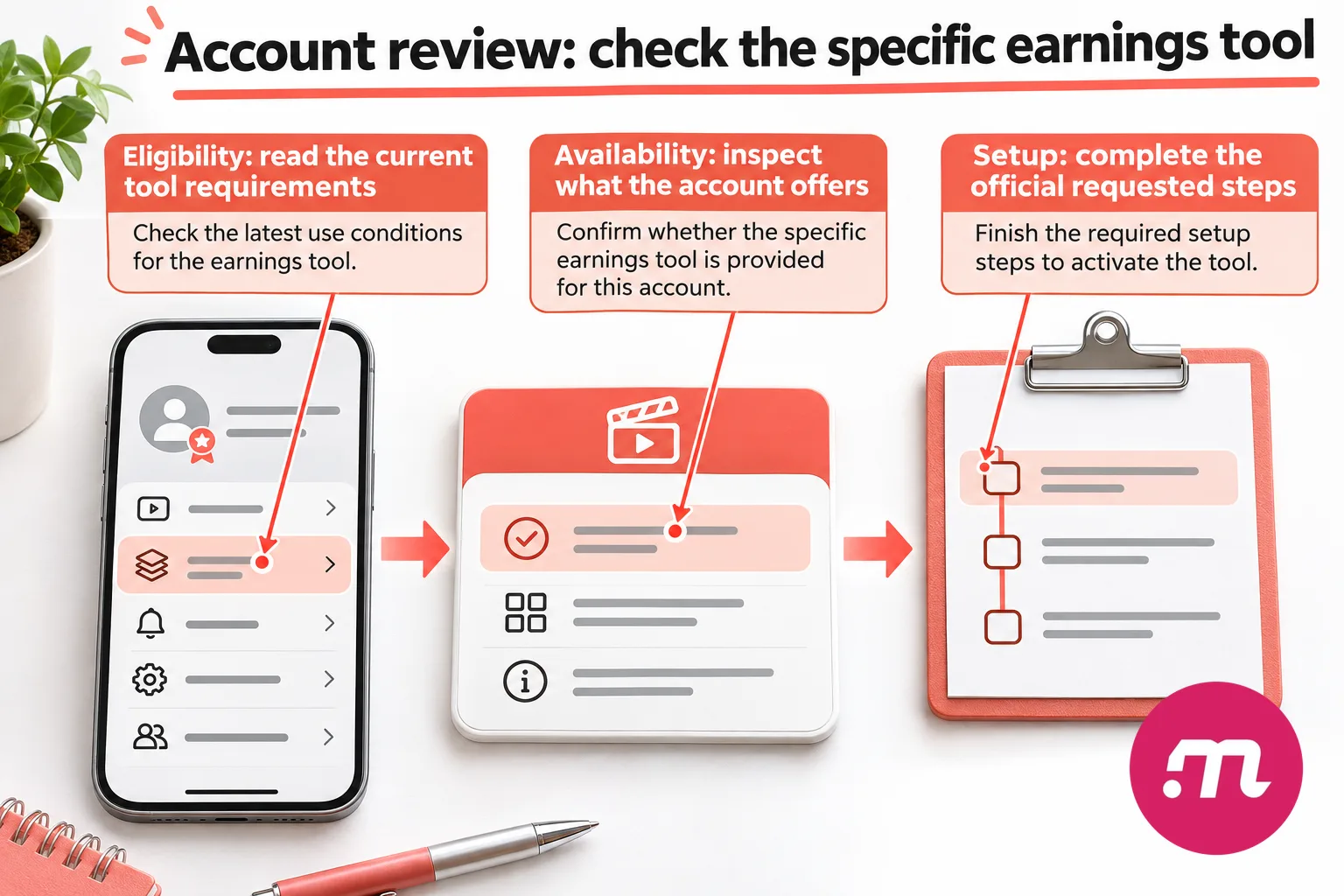
Use the intended professional account and inspect its Professional Dashboard. Meta's Gifts explanation directs creators there to check eligibility. Read what the specific tool says about age, location, account standing, setup and any other conditions before treating it as available.
- Confirm you are inspecting the account that will publish the Reels.
- Open its Professional Dashboard and find the earnings tools shown.
- Read the requirements and any restriction for the particular tool.
- Complete the official in-account setup if the tool is offered.
- Check the payout information and status requested by that workflow.
- Keep a record of what is enabled and what remains unavailable.
Do not turn an old announcement into a current rule
Meta's creator earnings update described Gifts, subscriptions and an invitation-only bonus test; its April 2024 update named limited bonus markets. That is historical programme information, not a universal 2026 rate card or proof that your Indian account has an invitation.
We wouldn't publish a single follower threshold for all Instagram Reels monetization. Different tools have different gates, and meeting a headline number doesn't establish that setup is complete. Read the current tool requirements instead of buying a promised shortcut to eligibility.
If a tool is missing, record its name and the message you see. A tool that isn't offered and a tool with an incomplete payout setup are different problems. Use the official support route available to your account for an unresolved restriction.
Match fan support to something worth returning for
Gifts require a supporter action
Gifts let supporters express appreciation through the platform where the tool is available. A view is not itself a Gift. We'd treat eligible fan support as a possible income line and keep making useful original work, rather than budget a fixed amount against every thousand plays.
For the illustrator, a clear drawing demonstration can give viewers a reason to appreciate the work. It doesn't justify promising that they will send money. Review the actual earnings record before deciding whether the production time makes sense for that income route.
Subscriptions require a continuing promise
If subscriptions are offered to the account, define what someone would receive repeatedly and whether you can maintain it. A planned series of original drawing lessons is a different obligation from posting an occasional public Reel. Include the time needed to prepare and support the paid offer. Write the delivery promise down before opening sales. If recording a lesson uses the only time you have for client work, the subscription has an opportunity cost even when there is no new equipment bill.
Start with a realistic commitment. We'd avoid selling an ongoing membership merely because a recent video performed well. The deciding factor is whether the audience wants the continuing offer and whether you can deliver it alongside your public work.
Keep platform setup, subscriber expectations and payment records clear. If the tool isn't available, you can still assess another income route; don't invent a workaround or assume another creator's dashboard describes your account.
Sell defined brand work rather than vague reach
Choose production, distribution or both
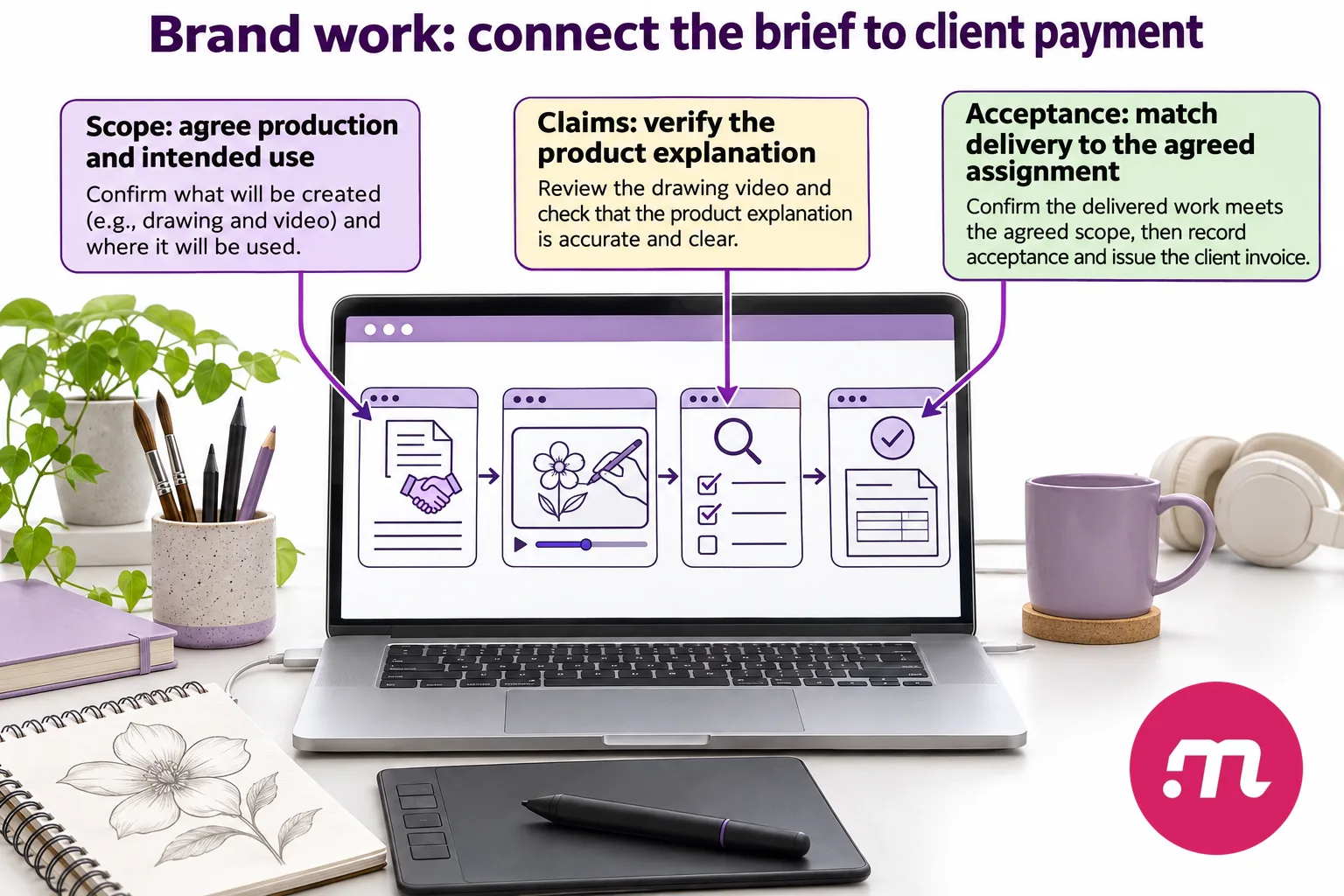
A brand may commission an asset for its own channels or pay for a placement with your audience. Those are different jobs. For the illustrator, a stationery demonstration might require accurate product footage; an audience partnership also needs evidence that the viewers fit the brand's market.
Prepare a portfolio with your role in each sample clearly stated. Give a prospective client the intended deliverables, language and timeline, then agree the usage before filming. We'd rather quote a specific assignment than sell a promise that the next Reel will go viral.
Put the scope and review in writing
Confirm the production fee in rupees, posting responsibility, revisions, payment milestones and intended use. Discuss raw footage, editing, paid advertising and duration separately. A file delivered to a client doesn't by itself tell either side what use was agreed.
Keep your experience truthful. If the commission is a demonstration, don't present it as an independent customer review you never made. ASCI's influencer guidance requires disclosure for a material connection, including benefits such as free products, and calls for a prominent message the viewer can understand.
Review the actual caption and video for the intended placement. Agree who approves product claims and who checks disclosure. We'd resolve that before publication instead of leaving it to the creator and client to make conflicting last-minute edits.
Connect affiliate links and offers to the right viewer
Affiliate income depends on the programme terms
An affiliate agreement can pay for a qualifying action such as a sale. Check the partner's commission, attribution window, permitted placements, returns treatment and payout conditions before recommending the product. Don't assume a link in any location will qualify under every programme.
Choose a recommendation you can support. For the illustrator, a useful comparison of tools they actually understand is more credible than inserting an unrelated offer into a popular drawing clip. Disclose the commercial relationship and keep the product claim within what you can verify.
Your own offer needs a clear purchase path
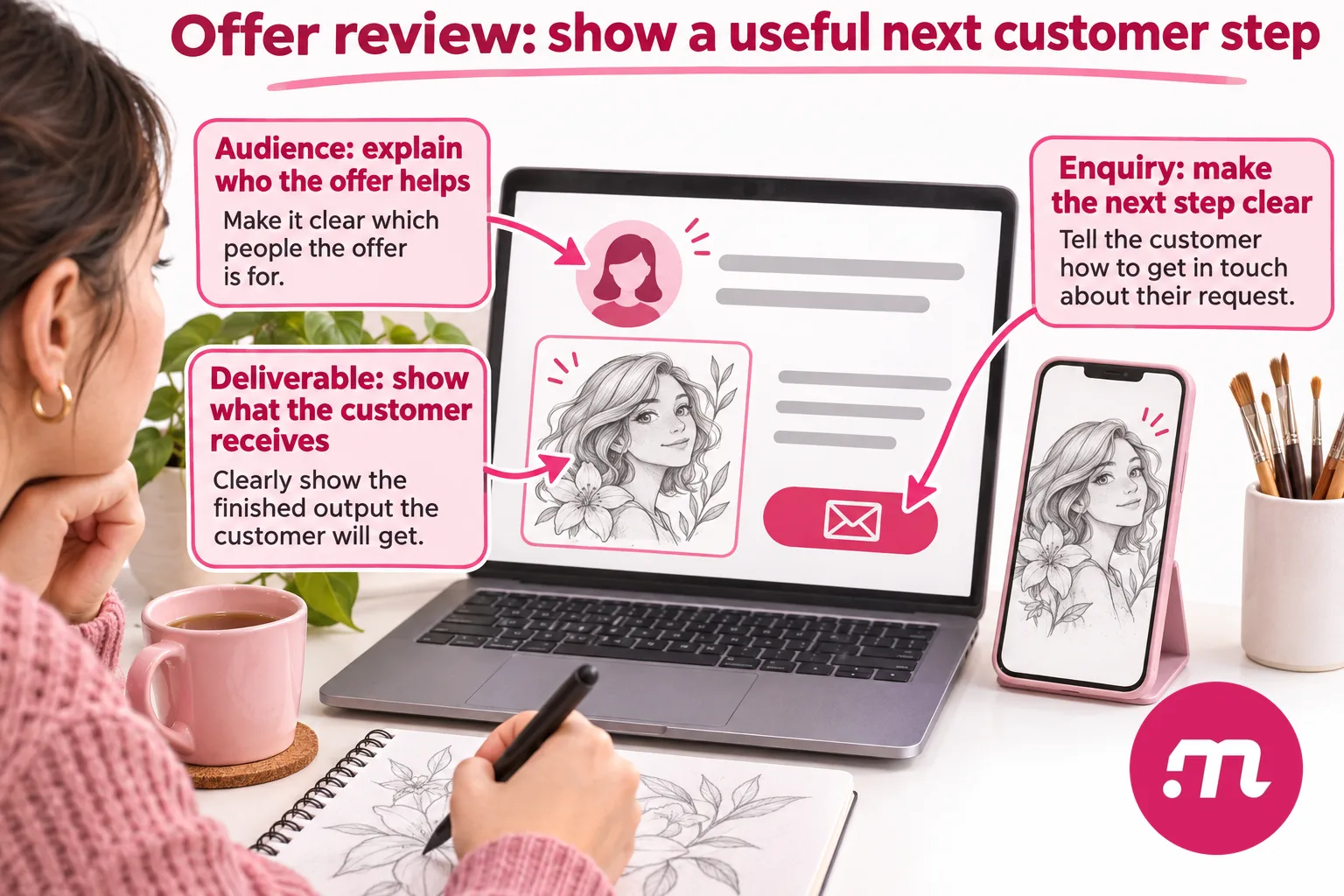
A commission service, a physical product or an original educational resource can be sold to viewers who need it. Explain who the offer helps and what they receive. Then give a clear route to inspect the details, ask a relevant question or buy.
A Reddit creator based in India described strong views but little interest in a digital product mentioned in their bio. We'd inspect the fit between the Reel's audience and the offer before posting more reminders. A curious viewer isn't automatically a customer for every product you can make.
For the illustrator, show a real example of the commissioned work and explain how to enquire. Keep price, scope and delivery terms clear when you discuss an order. Check that the destination works on a phone and that someone can answer the resulting enquiry. For example, a commission enquiry form could ask about the drawing format and delivery deadline. The reply should explain the next step and confirm the scope before payment. We'd inspect this handoff than another reminder to visit the bio.
Measure the path from the Reel to income
Keep the evidence specific to the route
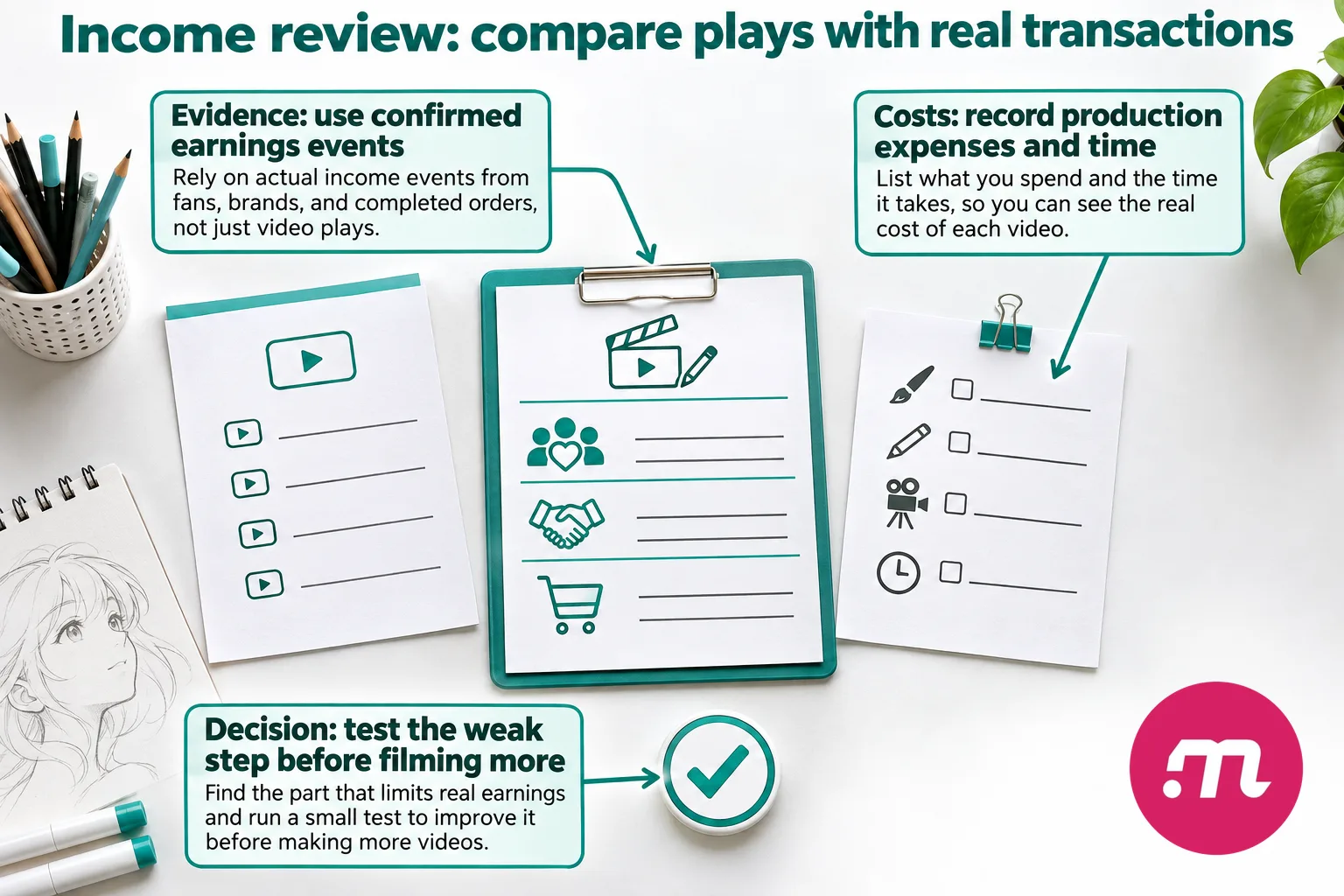
Use confirmed Gifts earnings for fan support, settled commissions for affiliate work and accepted invoices for brand production. For your own sales, record completed orders and refunds rather than counting every enquiry as revenue. The records answer different questions.
Where your chosen placement provides a suitable clickable destination, Google's campaign URL guidance recommends utm_source, utm_medium and utm_campaign. Use a consistent naming convention and test the destination. A tagged visit identifies referred traffic; it does not establish an extra sale that would never otherwise have happened.
Compare earnings with the work they required
Record editing costs, props, delivery expenses and your production time. Keep platform income distinct from a brand fee and from product revenue. We'd use that separation to decide which route deserves another test, rather than call every payment passive income.
If you calculate conversion rate, state the completed action and denominator. ROAS needs attributed revenue and advertising spend under a defined method. An organic Reel's view count alone supplies neither. For common questions about how our team approaches measurement, see Mommantum's marketing FAQs.
The Urban Vada Pav case study reports daily footfall moving from 40 to 210 and cost per walk-in from ₹220 to ₹58 through broader marketing work. Those are business outcomes, not Instagram payments for a certain number of Reel views.
Fix the common mistakes before increasing output
Avoid a rate-card assumption
The query "how much Instagram pay for Reels" often leads to a number without a named programme. Ask what triggers payment, where the account is eligible and whether the figure is earnings, revenue or a creator's quoted production fee. We'd reject a universal per-view estimate that leaves those questions unanswered.
Another Reddit account described millions of views and no income. That experience isn't a representative earnings study, but it points to a useful planning question: what paid action should follow the viewing? Reposting more of the same material won't answer it.
Use a small test with a defined next step
- Choose the payer and the transaction you want to test.
- Confirm the account tool or commercial agreement you need.
- Produce original material for a specific audience question.
- Check the offer, destination and required disclosure.
- Record the actual income event and production cost.
Work with material you created or have permission to use. Don't assume that adding a short caption to someone else's footage settles rights or programme eligibility. Read the applicable content and monetization requirements before planning around platform earnings.
At Mommantum, we'd test the weak step first: an unclear offer, a broken destination or a missing follow-up can waste good attention. More production is useful once you can explain what the next Reel should help a viewer do. Review an actual enquiry with the person answering it. Was the viewer asking for the advertised service, or simply requesting a free tutorial? That distinction can change the next script without requiring a bigger production budget.
Conclusion: choose the payer before chasing plays
Start with the earnings tools actually offered to the account, then assess brand work, affiliate agreements or a relevant offer of your own. Keep the income record tied to the route. Views can bring an opportunity, but the payment needs a real event behind it.
For help planning how to earn from Instagram Reels through a clear content and customer workflow, explore Mommantum's social media marketing support and book a free strategy call. Bring the offer and the step where viewers stop taking action.
Frequently Asked Questions
Key takeaways and practical details on this topic.
Monetize Instagram Reels by choosing who will pay and what action creates the income: eligible fan support, subscriptions, brand work, affiliate commissions or your own sales. Check the tools offered to your account first. Then create a specific offer and record the actual earnings event rather than treating views as payment.
Instagram Reels can support earnings through eligible tools and commercial activity, but a view count alone doesn't establish that the account has earned money. Check the particular programme and your account's current setup. Keep platform earnings separate from brand fees and customer sales so you know where the income came from.
Instagram Reels income cannot be calculated from a universal per-view rate. The amount depends on an actual eligible programme or transaction, such as supporter Gifts, a brand agreement or a customer order. Check the programme record or commercial terms instead of applying another creator's claimed earnings to your account's plays.
Earn from Instagram Reels by matching a useful video to a clear paid action, then making that next step easy to understand. An illustrator might offer commissioned work or produce a brand demonstration. Treat these as testable business models, and compare the confirmed income with the time and expense of producing the content.
There isn't one follower requirement for every way to earn through Instagram. Platform tools set their own current conditions, while commercial work depends on an agreement with a client or customer. Inspect the relevant tool in your Professional Dashboard and evaluate your audience or portfolio against the specific income route.
Instagram Gifts are a way supporters can send appreciation through the platform where the tool is available. Receiving support is a separate action from someone watching a Reel. Check your Professional Dashboard for eligibility and official setup, then review actual recorded earnings rather than estimating Gifts income from the number of views.
Start Instagram monetization setup by inspecting the intended professional account's dashboard and the particular earnings tools offered there. Read each tool's requirements, complete its official setup and review any payout information requested. Different tools have different conditions, so an enabled option doesn't prove that every other programme is available.
Diagnose a missing Instagram earnings tool by recording the specific tool, active account and message shown. Separate lack of availability from an incomplete setup or stated restriction, then follow the official account-specific guidance. An unresolved issue needs the support route offered to your account, not a promise that one generic toggle fixes everything.
Check whether your Indian Reel audience has a reason to want that particular digital product before increasing reminders. Show the product's actual use and explain who it helps, then test the destination and enquiry process. The Reddit example behind this question shows the planning problem; it doesn't establish an earnings benchmark or guaranteed fix.
Choose an income route for your facts page by identifying the audience and a paid job you can genuinely deliver. Relevant brand production or an original offer may be worth testing, but broad attention doesn't automatically establish demand. Check rights to your source material and agree a specific commercial scope before promising a result.
Check Gifts setup in the particular tool's current workflow and record what each screen says, including any payout or acceptance step still requested. Eligibility and completed setup are different questions. If the messages remain inconsistent, contact the official support route available to your account with the exact issue rather than assuming the green status proves payment is ready.
Measure qualified enquiries, accepted commissions and completed payments for your commissioned-work offer, alongside production and fulfilment costs. Make the scope and enquiry route clear in content relevant to the buyer. A popular Reel can bring attention, but the business evidence is the customer action and delivery outcome, not the play count alone.
Ready to implement this for your brand?
Connect with our Jaipur growth studio to turn these strategies into revenue for your D2C or ecommerce business.