How to Earn From Instagram Reels: 5 Practical Income Routes for Indian Creators and Brands to Build a Useful Offer, Handle Buyer Enquiries and Measure Confirmed Payments Before Increasing the Production Budget
Choose what your Reel should help someone pay for. Check the offer, buyer response and confirmed income before adding more production work.
Introduction
How to earn from Instagram Reels starts with deciding what a viewer or client can pay you for. A Reel can introduce your work, demonstrate a product or bring an enquiry. The income still needs a real transaction behind it. We'd choose that transaction before committing to a larger posting schedule.
For Indian creators and founders, this means checking available platform tools while also assessing brand production, affiliate agreements and your own offers. This guide was reviewed on 11 November 2026. It gives you a working process for turning attention into a paid action, without assuming that views trigger a standard rupee payment.
Table of Contents
- 1. Introduction
- 2. How to earn from Instagram Reels with a clear offer
- 3. Check how to earn from Instagram Reels tools
- 4. Build a portfolio a business can buy from
- 5. Connect your own offer to a buyer question
- 6. Use recommendations and paid work honestly
- 7. Measure the step that creates income
- 8. Run a small test before increasing the commitment
- 9. Conclusion: give the next Reel a paid action
- 10. FAQs
How to earn from Instagram Reels with a clear offer
Choose a payer and a useful next action
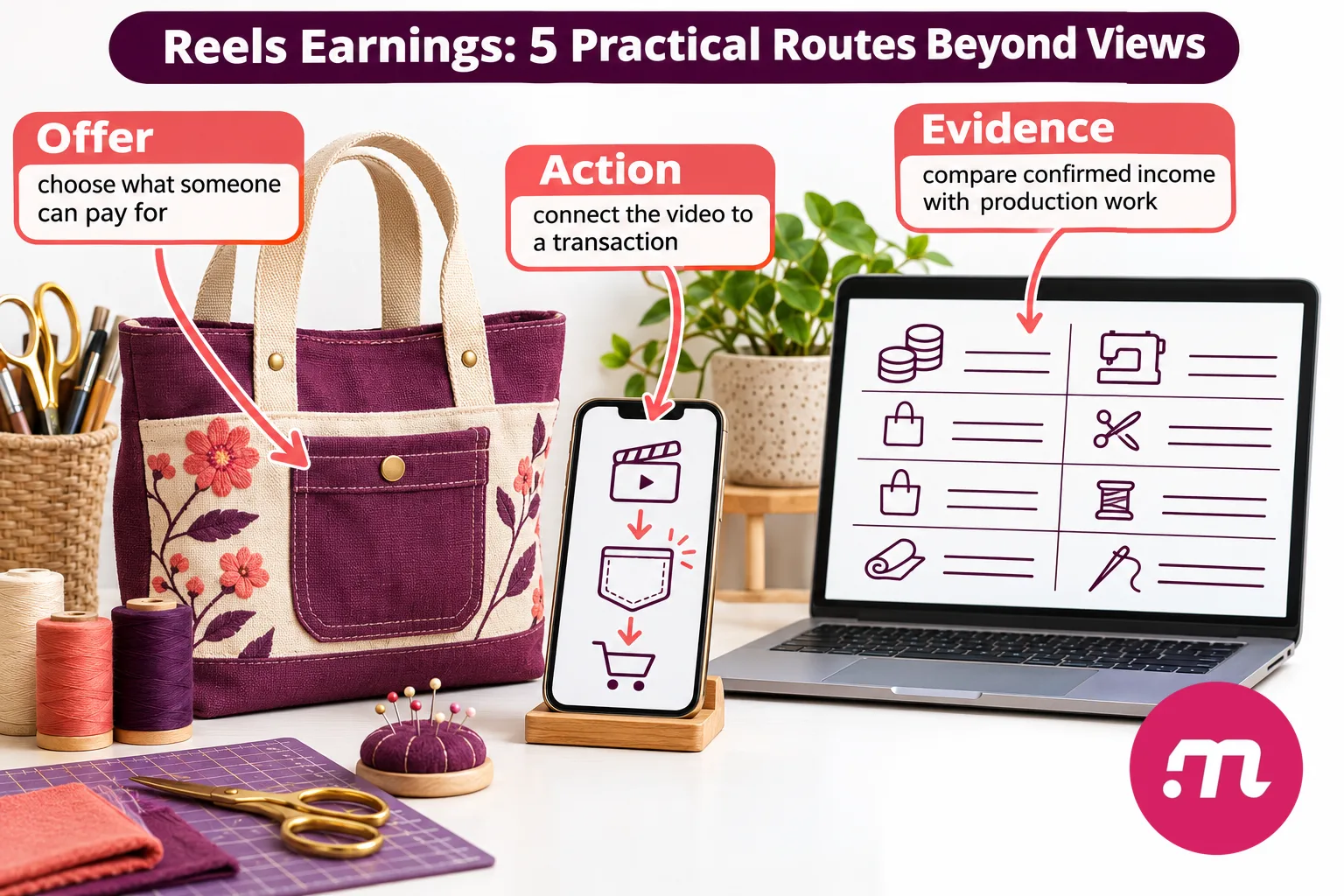
Start with what you can actually deliver. A creator can make content for a business, recommend a relevant affiliate product or sell an original product or service. Eligible fan support and subscriptions are separate routes that depend on the tools offered to the account.
| Route | Who funds it | What you need | Evidence of income |
|---|---|---|---|
| Brand production | A business client | Relevant samples and an agreed assignment | Accepted delivery and payment |
| Your own offer | A customer | A useful product or service and purchase process | Completed orders after refunds |
| Affiliate recommendations | An affiliate partner | Relevant recommendations and programme terms | Confirmed commission |
| Gifts, where available | Supporters through the platform | Tool access and official setup | Recorded Gifts earnings |
| Subscriptions, where available | Paying members | Tool access and continuing value | Subscription earnings record |
Pick a route before buying more equipment
Consider a hypothetical Jaipur bag maker filming how a pocket holds everyday items. The Reel could help sell the bag, or demonstrate the maker's ability to produce a useful product video for another business. Those require different offers. The example is a planning illustration, not a reported client outcome.
We'd start with the route you can fulfil now. A camera upgrade doesn't fix an unclear offer, and a recurring paid promise isn't sensible if you cannot maintain it alongside customer work.
Check how to earn from Instagram Reels tools
Inspect what your account offers
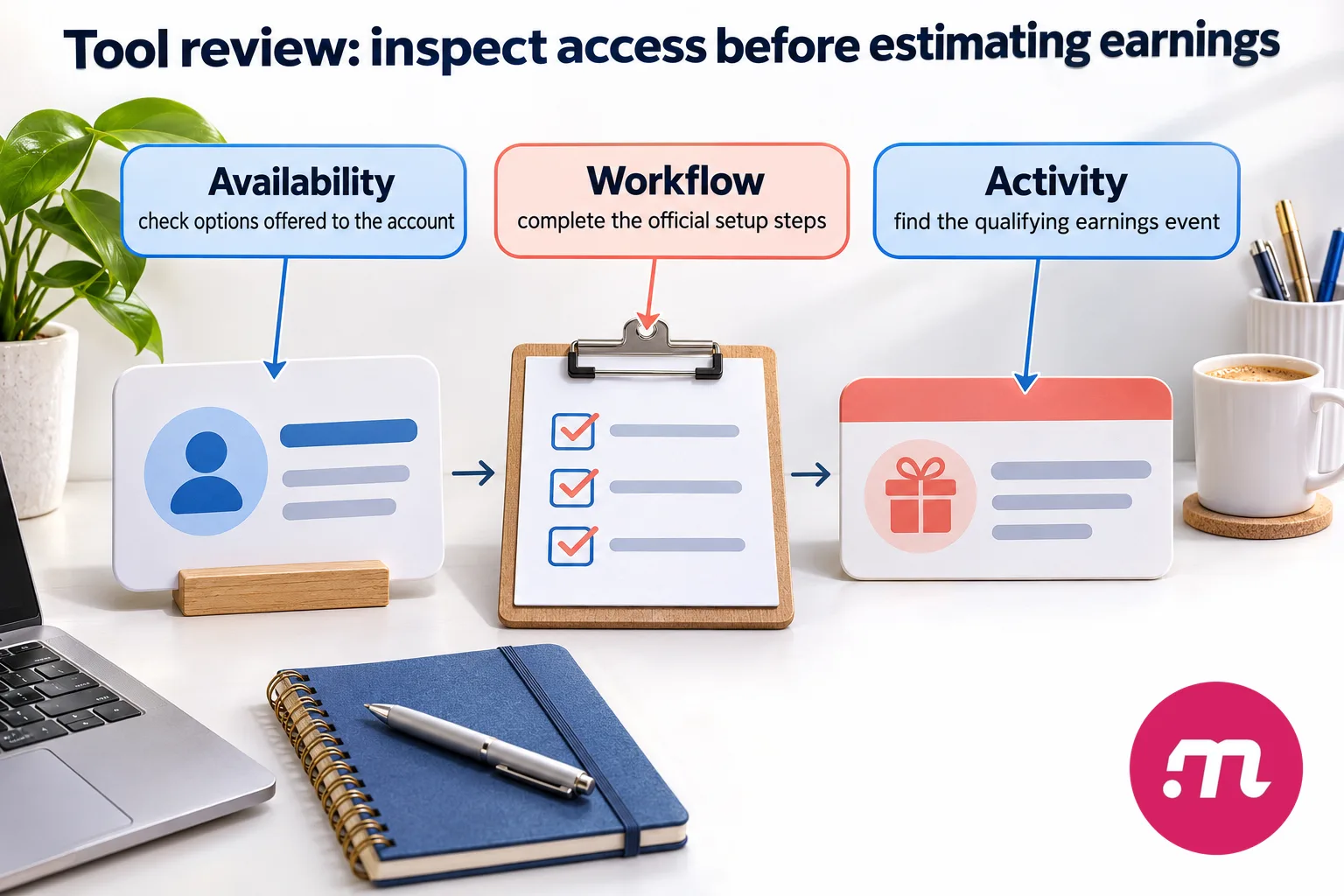
Meta's Gifts explanation describes supporters purchasing virtual gifts using Stars and directs creators to the Professional Dashboard for eligibility. The supporter must act. Watching a Reel and sending support are different events.
Open the intended professional account's dashboard and inspect the particular tool. Read its current requirements and any unresolved setup step. Record the exact message before following a general tutorial. We'd establish whether the problem is availability or unfinished setup first.
Keep eligibility separate from an income forecast
Instagram Reels monetization isn't one permission that proves every programme is enabled. Tool access, qualifying activity and payout status answer different questions. Use the earnings record for the tool you actually have, rather than estimate money from a view counter.
For subscriptions, where offered, define what members receive repeatedly. Include preparation and support time. Decide how the paid work fits around existing orders before accepting members. A lesson that takes your only available production slot has a cost even if you already own the equipment. We'd avoid selling continuing access just because a public video did well; the deciding factor is whether people want the paid offer and whether you can deliver it consistently.
Meta's bonus announcement, updated on 3 April 2024, described an invitation-only, limited-time test in named markets. That is historical information, not evidence of current access for an Indian account. Inspect any actual offer and its terms before planning around it.
If your question is "does Instagram pay money for Reels?", name the tool or commercial transaction first. That makes the answer useful to your own account instead of another creator's circumstances.
Build a portfolio a business can buy from
Show the assignment you can deliver
A business buying a video needs to see whether you can explain its product accurately. Create relevant original samples and state your role. For the bag maker, a demonstration showing storage and construction could communicate production ability more clearly than a collection of unrelated popular clips.
Separate making an asset from distributing it to your audience. A client may need content for its own page or advertising, or may want a placement on yours. We'd ask which job is needed before quoting, because audience size and production skill answer different buying questions.
Turn a sample into a specific conversation
Meta's 2024 creator marketplace announcement describes reviewing opportunity details, requirements and rates before agreement. Treat a collaboration tool as a route to a conversation, not a guaranteed booking or a standard fee.
A useful pitch explains the business problem your sample addresses and the deliverable you propose. Ask about intended use and the review process. Don't promise that the next video will repeat your best view count; show what you can control.
A small-account beauty business owner on Reddit described a brand commissioning a video after seeing their product content. The useful part of that anecdote is the subsequent written scope and production brief, not a payment figure to copy. Their experience doesn't establish what another brand will pay you.
We'd build samples around work you understand. An unverified claim delivered confidently still leaves the client with a poor asset.

Connect your own offer to a buyer question
Make the Reel prepare someone to buy
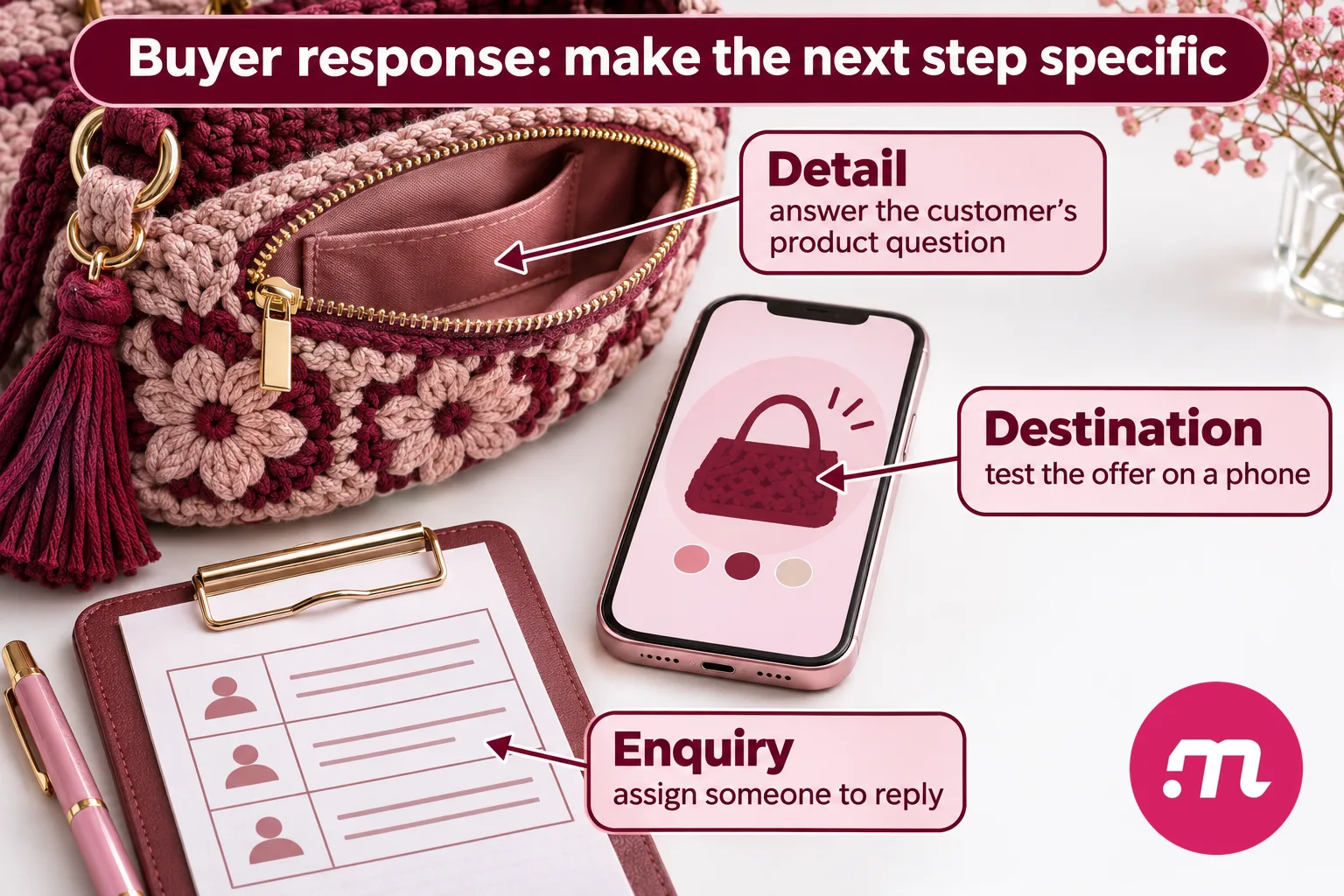
If you're deciding how to monetize Instagram Reels through sales, choose a real customer objection. For the bag maker, that could be uncertainty about internal space or how the closure works. Show the relevant detail using the actual product, then explain where the viewer can inspect the offer.
Keep the next step specific. An enquiry about a custom bag needs different information from a ready-to-ship order. State what you need to answer accurately, and make scope and delivery terms clear before accepting the order.
One India-based Reddit creator reported strong views but little interest in a digital product mentioned in their bio. We'd test the audience's need for that product before adding more reminders. A person enjoying a clip isn't automatically shopping for every resource its creator can sell.
Fix the response after the click or message
Check the destination on a phone. Can a prospective customer understand the product, find the relevant details and take the promised action? If the route is a message, decide who answers and what information they need to provide.
Keep a simple enquiry record. Separate requests for free information from genuine buying questions, then note whether the latter became completed orders. Read the objections in the conversations; they can tell you what the next demonstration should explain. If people ask whether their everyday items will fit, show the actual pocket with those items. If they ask when an order can arrive, make the delivery process clear. Don't answer a delivery question with another attractive product shot.
At Mommantum, we'd review this response process alongside the script. A clearer video can bring more questions, but someone still needs to handle them and deliver what was sold.
Use recommendations and paid work honestly
Read the affiliate agreement before recommending
Affiliate income depends on the partner's qualifying action and terms. Check the permitted placement, attribution conditions and treatment of cancelled orders. Use confirmed commission in your income record, rather than count every click or provisional order as money you can spend.
Recommend something you can explain. A bag maker reviewing a material or tool should show its actual use and limits. We'd leave an unrelated product out even if its commission looks attractive; the recommendation still has to make sense to the viewer.
Agree scope and disclosure before filming
For client work, put the deliverables and rupee fee in writing. Agree revisions and payment milestones, then decide where the asset may be reused. Paid advertising use and category exclusivity can change the work or the opportunities you give up; don't assume they came with a basic production assignment.
ASCI's influencer guidance requires upfront, prominent disclosure when a material connection exists, including benefits such as free products. Check the actual video and caption for the intended placement. A statement buried in a bio doesn't explain that relationship to someone watching the content.
The trade-off is time. Client review and corrections can occupy hours that you planned to spend serving your own customers. Keep that workload in the quote, and ask the client to confirm claims before you make them part of a demonstration.
Use material you created or have permission to use. Also check applicable programme rules: permission to publish an asset and eligibility to earn from it are separate questions.
Measure the step that creates income
Keep traffic evidence and payment evidence apart
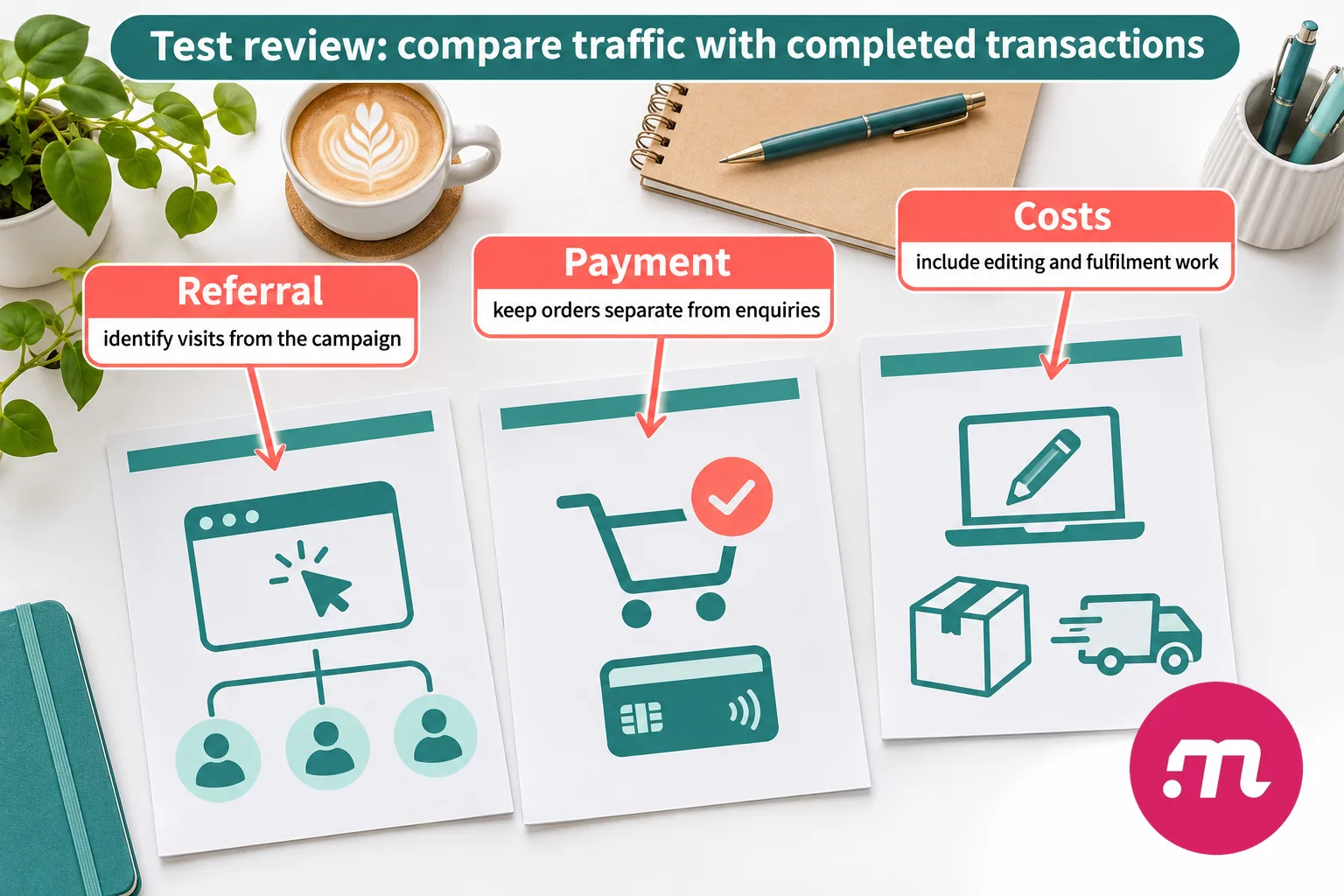
Use the relevant tool's recorded earnings for fan income, confirmed partner commission for affiliate work and payments against agreed assignments for production. For your own products, review completed orders and refunds. Keep quoted work separate from money received.
Where the chosen placement supports a clickable destination, Google's campaign URL guidance explains using utm_source, utm_medium and utm_campaign to identify referred traffic. Use consistent names and test the link. A tagged visit identifies a referral; it doesn't prove that the visit created an additional sale. When someone enquires without using that link, record the source they tell you and keep it distinct from tracked traffic. That leaves you with a more honest record than forcing every order into the latest Reel's results.
Count the cost of producing and delivering
Record editing expenses, props and production time. For product sales, include the cost of fulfilling the order. We'd compare those costs with the income route before increasing output, because gross receipts don't tell you what the work leaves behind.
Conversion rate needs a defined completed action and denominator. CAC needs acquisition cost and new customers under a stated method. ROAS compares attributed revenue with advertising spend; an organic Reel's view total alone cannot supply that calculation.
The Urban Vada Pav case study reports daily footfall moving from 40 to 210 and cost per walk-in from ₹220 to ₹58 through broader marketing work. These are customer outcomes, not payments from Instagram for a certain number of views. Pick the business measure that matches your goal.
For more on our approach to planning and measurement, see Mommantum's marketing FAQs. Bring the unresolved step, such as enquiries that stop before purchase, rather than a view target on its own.
Run a small test before increasing the commitment
Check the whole route in order
- Name the payer and the paid action you want to test.
- Confirm the tool access, client brief or offer required.
- Choose a buyer question and produce original content answering it.
- Check the destination or enquiry response on a phone.
- Review confirmed income and the work needed to earn it.
- Change the weak step before adding production volume.
We'd choose a test that answers a decision. If buyers misunderstand the product, demonstrate the missing detail. If relevant enquiries arrive but remain unanswered, fix the response. More filming won't resolve an unattended inbox.
Avoid a view-only income assumption
A Reddit creator asking about earnings explicitly wanted money from views without product promotion. That is a real preference, but it narrows the available income routes. Inspect actual account tools rather than assume that a successful clip activates an unseen salary.
Likewise, the query "how much Instagram pay for Reels" doesn't provide a universal rate to put in your budget. Identify the programme or transaction and its conditions. We'd keep an unconfirmed opportunity out of committed spending until there is evidence behind it.
Before the next test, check that the offer can be fulfilled and that you can identify the resulting payment. Those are useful limits even when reach is unpredictable.
Conclusion: give the next Reel a paid action
Choose an income route you can deliver, check any account tool it needs and connect the content with a relevant next step. Then compare confirmed income with production and fulfilment work. Attention gives you an opportunity to test; the payment needs its own evidence.
For help planning Reels around an offer and a customer response process, explore Mommantum's social media marketing support and book a free strategy call. Bring an actual sample and the step where viewers stop progressing.
Frequently Asked Questions
Key takeaways and practical details on this topic.
Earn from Instagram Reels by choosing a real paid action before increasing production. Check account tools, or assess a client assignment, affiliate agreement or relevant offer of your own. Give viewers a clear next step and compare confirmed income with the work required, because a view count alone doesn't establish a payment.
Monetize Instagram Reels by matching useful content with an income route you can deliver. For example, a product demonstration can support your own sales or show a business your production ability. Confirm the tool or commercial agreement required, then keep its earnings record separate from general video performance.
Instagram can support earnings through specific tools, while clients and customers may pay for work connected to Reels. Check the mechanism and actual earnings event rather than assume every play triggers money. A fan Gift, a brand assignment and a customer order require different evidence and can produce different outcomes.
Instagram Reels income doesn't have a universal per-view rate you can apply to every account. Read the current terms of any actual programme or inspect the client agreement behind the payment. Keep quoted fees, recorded earnings and money received separate before deciding what you can afford to spend.
Indian creators can assess account-specific earnings tools alongside client work, affiliate agreements and their own sales. Confirm current availability for any platform tool instead of applying an old rollout announcement to your account. For a commercial route, define the paid action and check that you can fulfil the assignment or order.
Instagram follower requirements vary by platform tool, while commercial work depends on a client or customer choosing your offer. Check the specific tool's current requirements rather than rely on one general threshold. For production work, show relevant samples and agree the assignment instead of waiting for a follower count to guarantee a booking.
A small Reels account can assess production work or a relevant offer without treating audience size as its only asset. Show a business what you can make, or demonstrate what a customer would buy. A useful portfolio supports a conversation, but it doesn't guarantee that someone will commission work or place an order.
Indian Instagram Reel views alone don't establish a standard rupee payment. Inspect the specific earnings tool offered to your account and whether its qualifying event occurred. Keep that record separate from brand invoices or customer sales, and avoid treating another platform's screenshot as evidence of money owed to you.
For a small account seeking view-related income, inspect the actual earnings tools and any active offer shown to that account. A view count doesn't establish a general entitlement to payment. If no relevant tool or qualifying earnings event exists, keep that unconfirmed income out of your committed production budget.
Test whether your Indian Reel audience has a reason to want the digital product before adding more reminders. Show its actual use and intended buyer, then check the enquiry route on a phone. Review buying questions separately from general comments so you can see whether the offer attracts relevant interest.
Turn brand interest in your small business account into a specific production brief before agreeing to film. Ask what the business needs, where it will use the video and who approves claims, then agree deliverables and payment terms. A relevant sample supports the discussion; the written assignment defines the job.
An eligible monetization status doesn't establish that Instagram earnings are accumulating. Inspect the particular tool, its official setup and its recorded earnings rather than infer money from a general account label. Record the exact missing option or message, then use the official support route available to the account if it remains unresolved.
Ready to implement this for your brand?
Connect with our Jaipur growth studio to turn these strategies into revenue for your D2C or ecommerce business.