Facebook Branded Content: 7 Practical Checks for Indian Brands to Plan Creator Partnerships, Review Disclosure, Confirm Account Permissions and Diagnose Publishing Problems Before Spending More on Production or Paid Advertising
Plan a Facebook creator collaboration with clear disclosure, usage terms and account checks. Diagnose missing partners and ad-access barriers before promising delivery.
Introduction
Facebook branded content can stall even after a creator finishes the video: the partner can't be selected, the team assumes a label grants advertising access, or nobody knows who approved the caption. We'd settle those dependencies before promising a publication date. A paid collaboration needs a clear brief and a workable account setup as well as good footage.
For an Indian brand, start by identifying the commercial relationship, the account publishing the post and whether advertising is part of the assignment. Then check the actual account controls and disclosure guidance. This is a planning and review workflow, not a promise that every Page will show the same menus or qualify for the same tools.
Table of Contents
- 1. Introduction
- 2. Understand the job of Facebook branded content
- 3. Check the accounts and permissions before filming
- 4. Write a brief that can survive the handoff
- 5. Review disclosure for the actual placement
- 6. Troubleshoot Facebook branded content by the symptom
- 7. Measure the customer action and separate the costs
- 8. Scale the workflow after the first checked campaign
- 9. Conclusion: check the relationship and the workflow
- 10. FAQs
Understand the job of Facebook branded content
Separate the collaboration from the ad campaign
Branded content concerns a commercial relationship between a creator or publisher and a business partner. A creator may receive payment or a product as part of that relationship. The audience needs to understand the promotion; the brand also needs to know exactly what placement it has commissioned.
Meta's 2022 creator-tools announcement described a paid-partnership label for Facebook Reels and sponsors converting material into branded-content ads. The distinction matters: a labelled collaboration and paid distribution are connected decisions, but they aren't the same task.
| Decision | Question to settle | Evidence to keep |
|---|---|---|
| Commercial arrangement | What does the creator receive? | Agreed assignment and compensation |
| Organic placement | Which account publishes what? | Approved post and caption |
| Disclosure | How will viewers recognise the promotion? | Review of the finished placement |
| Advertising | Is paid use agreed and technically available? | Usage terms and checked account access |
Choose the customer action first
Imagine a Jaipur homeware shop commissioning a creator to demonstrate an apron's pockets. This is an illustrative example, not a client result. The useful next step might be comparing available designs. We'd choose a creator who can explain that product clearly before judging their follower count.
If the assignment includes audience reach, inspect relevant audience information too. A technically successful post can still reach people the business cannot serve. Keep the production job and distribution goal visible in the proposal.
Check the accounts and permissions before filming
Name the people doing each task
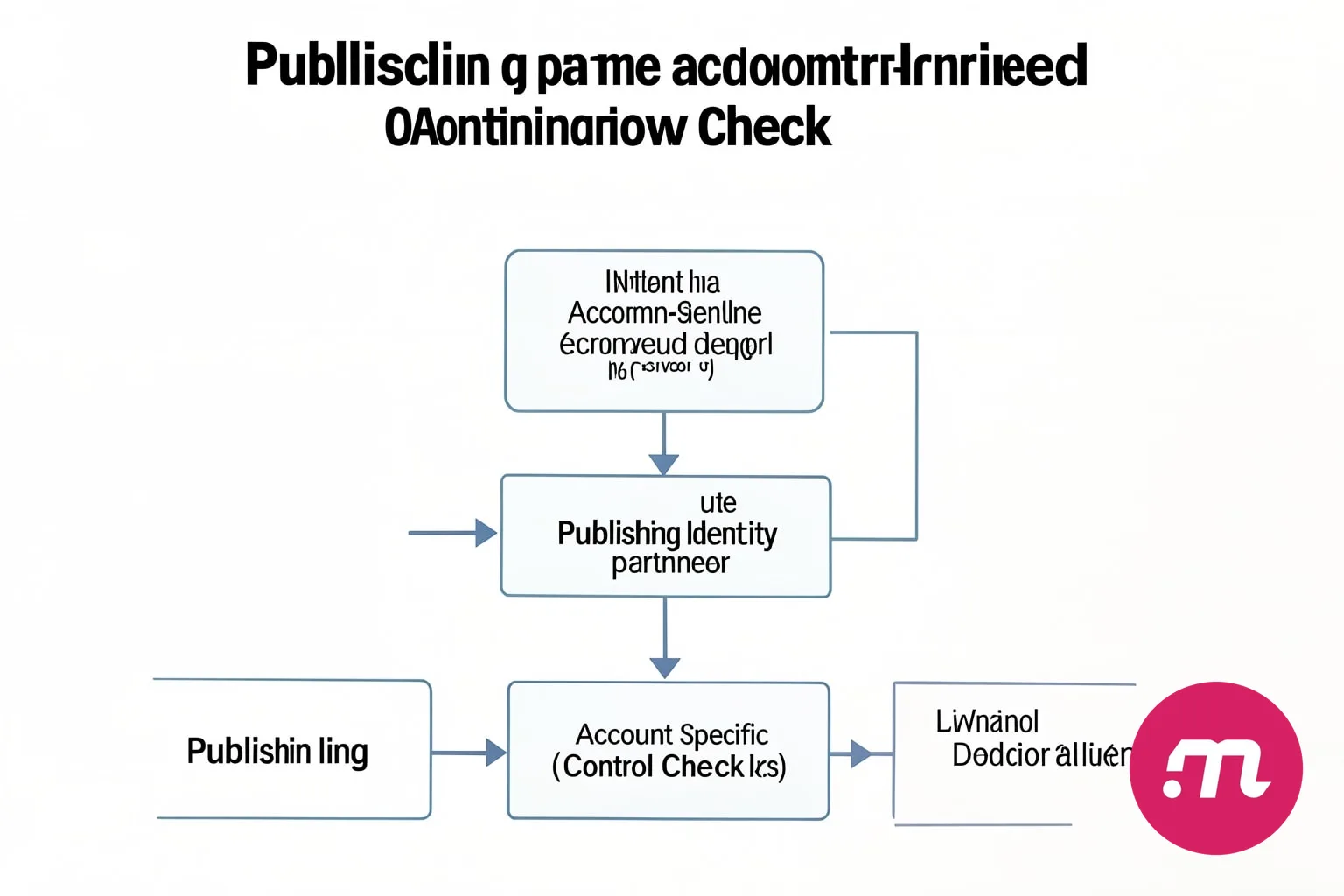
Write down the publishing identity, business partner and person responsible for managing the proposed advertising. Confirm that the people doing those jobs can access the relevant accounts. Don't confuse knowing a Page's public name with having the access needed to manage the collaboration.
Meta's 2023 Facebook creator update describes creators using Pages giving brand partners permission to run ads from their Page. That historical announcement explains the relationship; it doesn't prove eligibility or permissions for your account today.
Test the intended workflow early
Before committing a campaign date, have the publishing owner inspect the current branded-content controls and any requirements shown. Confirm the intended partner can be identified in the supported workflow. If paid distribution is proposed, check that separately with the person responsible for the ad account.
We'd test with the real identities and intended format before the final production handoff. Check the real screen. Ask the person who will publish to inspect the intended account, then record any message or unavailable control alongside the planned format. That record is more useful for diagnosis than assuming a generic tutorial screenshot describes your Page.
Keep access and usage terms separate. The ability to run a tool doesn't decide what the creator has agreed to let the brand do with their material. Settle the commercial use in writing and check the technical permission before either side treats advertising as ready.
Write a brief that can survive the handoff
Describe the evidence the video must show
For the apron example, supply the available design and verified product details. Ask the creator to show the pockets in use without inventing a capacity or durability claim. A social media content creator needs the actual product and a clear question, not simply a request for engaging brand content.
| Brief field | What to specify |
|---|---|
| Viewer question | What should a buyer understand after watching? |
| Deliverable | Agreed format, version and caption |
| Product evidence | Actual variant and substantiated details |
| Placement | Publishing account and intended customer destination |
| Use | Organic placement, paid use and editing arrangements |
| Review | Named approver, feedback process and deadline |
| Disclosure | Who checks the finished promotion |
Make the quote comparable
Ask for costs in rupees, with production and creator-channel posting identified. Discuss paid-media use, raw footage and extra versions before agreeing a total. Include applicable delivery, props and taxes. We'd compare the complete scope rather than treat the lowest headline quote as the cheapest finished campaign.
If you need ongoing content marketing services, ask who writes briefs and manages approvals. A recurring fee may cover assets while leaving the founder to coordinate every dependency. Buy the missing work, and make the owner visible.
Allow the creator to propose a natural presentation while holding the factual boundaries. Don't commission a pretend personal endorsement when the person has only received a demonstration brief. The finished words should accurately describe their actual experience.
Review disclosure for the actual placement
Use the current Indian guidance
ASCI's influencer advertising guidance requires a disclosure when there is a material connection, which can include free products rather than only money. It calls for a prominent message, not one hidden in a bio, buried among hashtags or visible only after expanding the post.
The guidance also addresses language and different media formats. Put the disclosure check into the review brief, then inspect the actual finished version. We'd check the spoken wording and visible text together, especially when the advertisement uses Hindi or another regional language.
Approve the whole message
A platform label doesn't make an inaccurate claim acceptable. Review the product shown, the spoken statements and the caption against confirmed information. If the creator changes a claim during editing, send it back to the person who can verify it rather than approve from memory.
For the apron video, keep the demonstrated design consistent with the destination page. If stock changes before publication, pause and update the brief. A buyer shouldn't have to discover that the useful-looking product in the video is no longer an available option.
We'd agree who corrects a live error before the campaign starts. Keep a route to the publishing owner and record which version received approval. Inspect the viewer's version. A note in the brief can assign responsibility, but the reviewer still needs to see how disclosure appears with the actual caption and video. If it only exists in a private approval document, the audience hasn't received that message.
Keep permissions in the review record
Save the approved asset, caption, intended placement and agreed use together. Record whether advertising is part of this assignment and what remains unconfirmed. That lets another team member check the scope without guessing from a file name or assuming a previous campaign's access still applies.
Troubleshoot Facebook branded content by the symptom
Separate a missing partner from an unavailable ad
Practitioner threads describe partner names failing to appear, scheduling controls becoming unavailable and labelled posts not being available for boosting. Those are reports of particular account states, not proof of a universal fix. Start with the exact action and error rather than changing unrelated settings.
| Symptom | First checks | Useful record |
|---|---|---|
| Partner cannot be selected | Correct identity, publishing account and displayed requirements | Name attempted and current screen message |
| Save or schedule control unavailable | Incomplete fields, current format and validation messages | Point where the control changed |
| Post not available for advertising | Agreed use, relevant permission and account restrictions | Post identifier and exact advertising error |
| Requests or settings seem different | Active account and current account-specific guidance | What the owner can actually see |
Use a controlled diagnostic sequence
- Confirm the intended publishing account and partner identity.
- Record the format, attempted action and exact message.
- Read the requirements shown in that account's current tools.
- Ask the authorised owner to confirm the relevant permission.
- Check organic placement and advertising readiness separately.
- Escalate the recorded issue through the available official support route if it persists.
Change one factor at a time. Name an owner for the diagnostic check and record what they changed before another teammate edits permissions or replaces a post. Otherwise, even a working result can leave you unsure which action mattered or how to handle the next campaign. We'd retain the approved creative and diagnose the account barrier before commissioning another video.
Don't remove disclosure to make a control available, and don't assume an Instagram collaboration automatically settles a Facebook placement. Verify the intended platform and format independently. If the required workflow remains unavailable, revise the delivery plan with the creator rather than promise an unsupported workaround.
Measure the customer action and separate the costs
Choose what the placement should accomplish
For a product demonstration, inspect relevant product visits and questions about the design. For an ordering explanation, record whether customers still ask the same question. Reach and reactions provide context, but they don't establish that a buyer understood the next step or purchased.
Where the placement has a suitable clickable destination, Google's campaign URL guidance recommends utm_source, utm_medium and utm_campaign. Agree consistent values and test the destination before publication. Referred traffic isn't proof of incremental revenue.
Keep production and advertising reporting distinct
Record creator fees and production expenses in rupees. Track advertising spend separately when running paid distribution, and state the attribution method beside reported revenue. ROAS requires a clear advertising-spend basis; it isn't a measure you can infer from an organic post's reactions.
Define the action and denominator for conversion rate. Compare like with like: give the placements similar observation periods, inspect whether the destination worked and check which designs were available before deciding the video failed. We'd record those checks beside the outcome so the next brief addresses an identifiable problem. A video that sends people to an unavailable design has a different problem from a video that never explains why the design is useful.
Keep the content creator's delivery review separate from business performance. They may have delivered the agreed asset while the landing page or stock situation changed. Use the evidence to decide what to fix, rather than turn every campaign problem into a demand for free revisions.
Scale the workflow after the first checked campaign
Learn from wider business outcomes carefully
Mommantum's Urban Vada Pav case study reports daily footfall moving from 40 to 210 and cost per walk-in from ₹220 to ₹58. The Jalvayu Wellness case study reports CAC moving from ₹920 to ₹310. Those reflect broader marketing work, not the isolated effect of a branded-content label.
The useful lesson is to connect the placement to the rest of the buying process. At Mommantum, we consider the creative and destination alongside the intended business outcome. We'd fix an unclear ordering step before increasing the number of creator posts.
Repeat the decisions that made delivery possible
- Keep the assignment and intended use beside the material.
- Name the publishing owner and advertising owner.
- Check the exact version and disclosure before release.
- Record the account issue and what changed.
- Carry unanswered customer questions into the next brief.
Review the first assignment before booking a long run. If approvals repeatedly stall, settle who makes the final decision. If the account setup is unresolved, don't conceal that dependency inside a larger production order. We'd scale a process people can complete, not a spreadsheet full of promised posts.
Conclusion: check the relationship and the workflow
Define the commercial arrangement, verify the account path and approve the actual message. Keep disclosure, agreed usage and advertising permission visible as separate decisions. The campaign is easier to manage when both creator and brand know what is ready and what still needs checking.
For help coordinating the brief and review, explore Mommantum's social media marketing support and book a free strategy call. Bring the intended placement and the exact step that is blocking it. Resolve that before promising more output.
Frequently Asked Questions
Key takeaways and practical details on this topic.
Facebook branded content concerns a creator or publisher's commercial collaboration with a business partner, including arrangements involving payment or products. Define the actual post and publishing account before commissioning production. Keep viewer disclosure, agreed usage and any planned advertising as separate checks, so the collaboration doesn't stall after the asset is finished.
Use the current branded-content workflow available in the intended Facebook account to identify the correct partner and review the proposed placement. Check any requirements or messages shown before committing publication. Menus can differ, so verify the actual account path with its authorised owner rather than relying on an old screenshot or an assumed universal click sequence.
A missing brand-partner selection needs diagnosis in the actual publishing account rather than a guessed fix. Confirm the partner identity, active account, intended format and any requirements displayed. Record the exact message and ask the authorised owner to check relevant permissions before escalating through available official support.
An unavailable paid-partnership boost can involve an advertising-specific barrier even when the organic placement exists. Check the intended use, relevant permissions, account messages and exact post identifier. Don't assume a disclosure label proves ad readiness, and don't remove disclosure to try to make an advertising control available.
ASCI's guidance requires disclosure for a material connection, which can include free products and other benefits rather than only payment. Review the actual arrangement and current format-specific guidance before publication. Assign a disclosure reviewer and inspect the finished placement instead of treating a private instruction to the creator as audience disclosure.
ASCI calls for a prominent disclosure that viewers can understand, with guidance covering language and different media formats. Don't bury the message among hashtags or leave it in a profile bio. Include disclosure in review of the actual video and caption, and check current guidance for the intended placement.
Find partnership-tag requests by checking the active account and its current account-specific tools with the authorised owner. An older menu path may not describe what that account now shows. Record the controls actually available and any message displayed, then use current official guidance or support for the unresolved request.
Diagnose Partnership Ads access by confirming the intended account, the person performing the task and any eligibility or permission message shown. Keep advertising access separate from the organic post's tag. A role that supports another task doesn't establish that the requested advertising operation is available; escalate the exact error if it persists.
Check your publishing identity and the exact partner account first, then record the intended format and any message shown when selection fails. Ask the authorised owner to confirm the relevant account requirements. Keep the approved creative intact while you diagnose the selection problem, rather than asking the creator to remake the video.
A visible partnership label should not be treated as proof that your advertising workflow is ready. Confirm the agreed paid use, relevant account permission and exact ad error separately. Keep the organic placement and advertising task distinct in the review record, and resolve the missing step before promising paid delivery.
Handle the changed settings screen by having the authorised owner verify the active account and document the current controls. Record which request needs action and where the workflow stops. Avoid sending several teammates through different old tutorials; keep one owner responsible for resolving and documenting the actual account path.
Don't promise an immediate paid launch while the required partnership tools remain unavailable. Document the error, confirm the intended account and ask the authorised owner to check the relevant requirements. Agree a realistic revised plan with the creator while keeping the approved material and commercial usage terms available for review.
Ready to implement this for your brand?
Connect with our Jaipur growth studio to turn these strategies into revenue for your D2C or ecommerce business.