Best Social Media Platforms for Business: A 2026 Strategy Guide
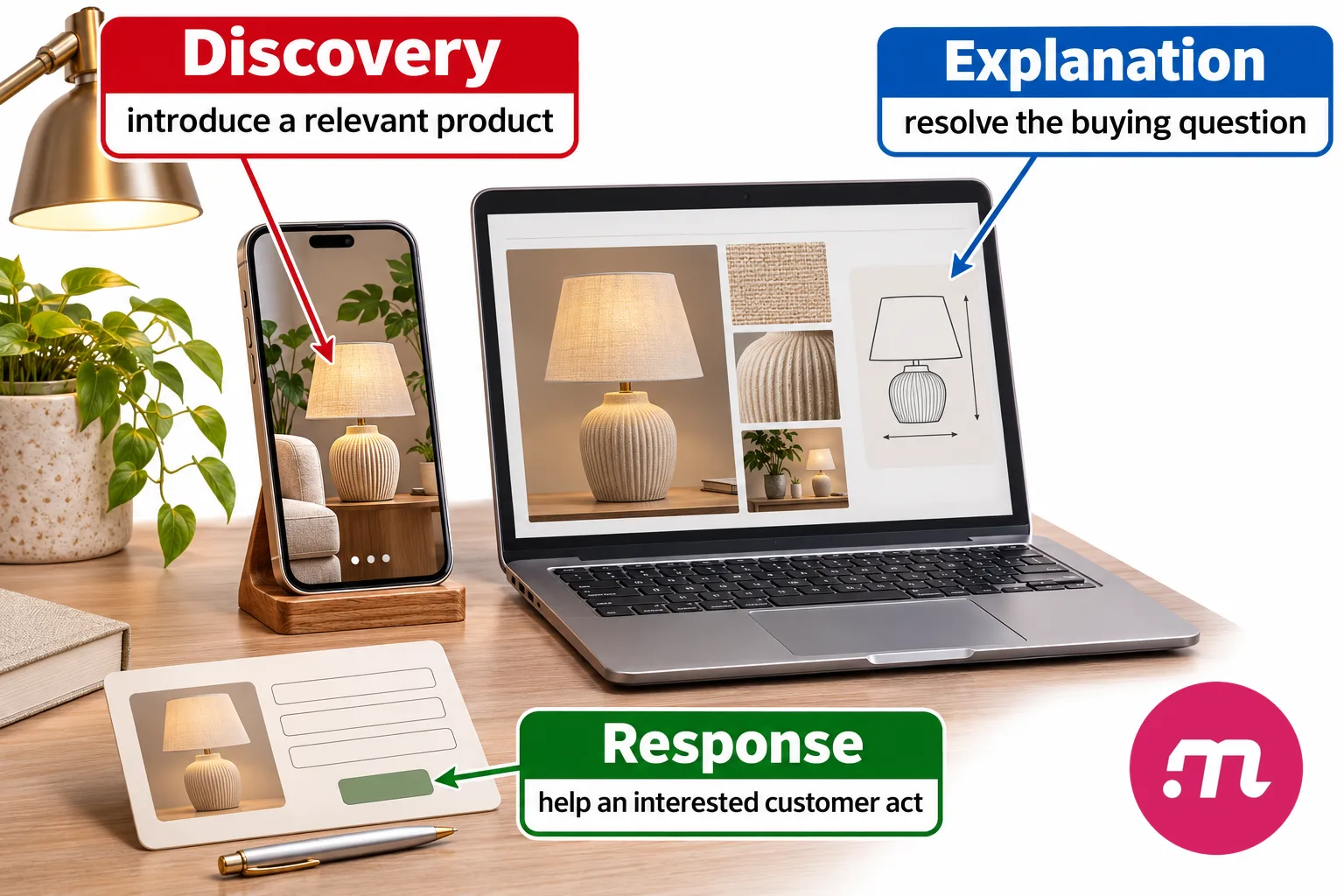
Choose platforms by buyer behaviour and the content you can maintain. Compare discovery, explanation and response before adding another account.
Introduction
The best social media platforms for your business are the ones that can influence a relevant buyer and support the next useful action. A large national audience doesn't tell you whether your customer is there, whether you can make suitable content or whether the resulting enquiry will reach someone who can help.
We'd choose channels by their job in the buying process. Instagram may introduce a visual product; YouTube may explain a complicated choice; LinkedIn may open a professional conversation. WhatsApp can handle interested buyers who want a reply. These are starting hypotheses to test against your own business, rather than a universal ranking of winners.
Table of Contents
- 1. Introduction
- 2. Choose the best social media platforms by outcome
- 3. Compare the best social media platforms by job
- 4. Instagram, Facebook and WhatsApp serve different jobs
- 5. YouTube and Pinterest can support considered choices
- 6. LinkedIn and Reddit reward different contributions
- 7. Choose advertising and software after the channel role
- 8. Build a platform plan you can review
- 9. Conclusion: give each chosen platform a job
- 10. FAQs
Choose the best social media platforms by outcome
Name the buyer decision
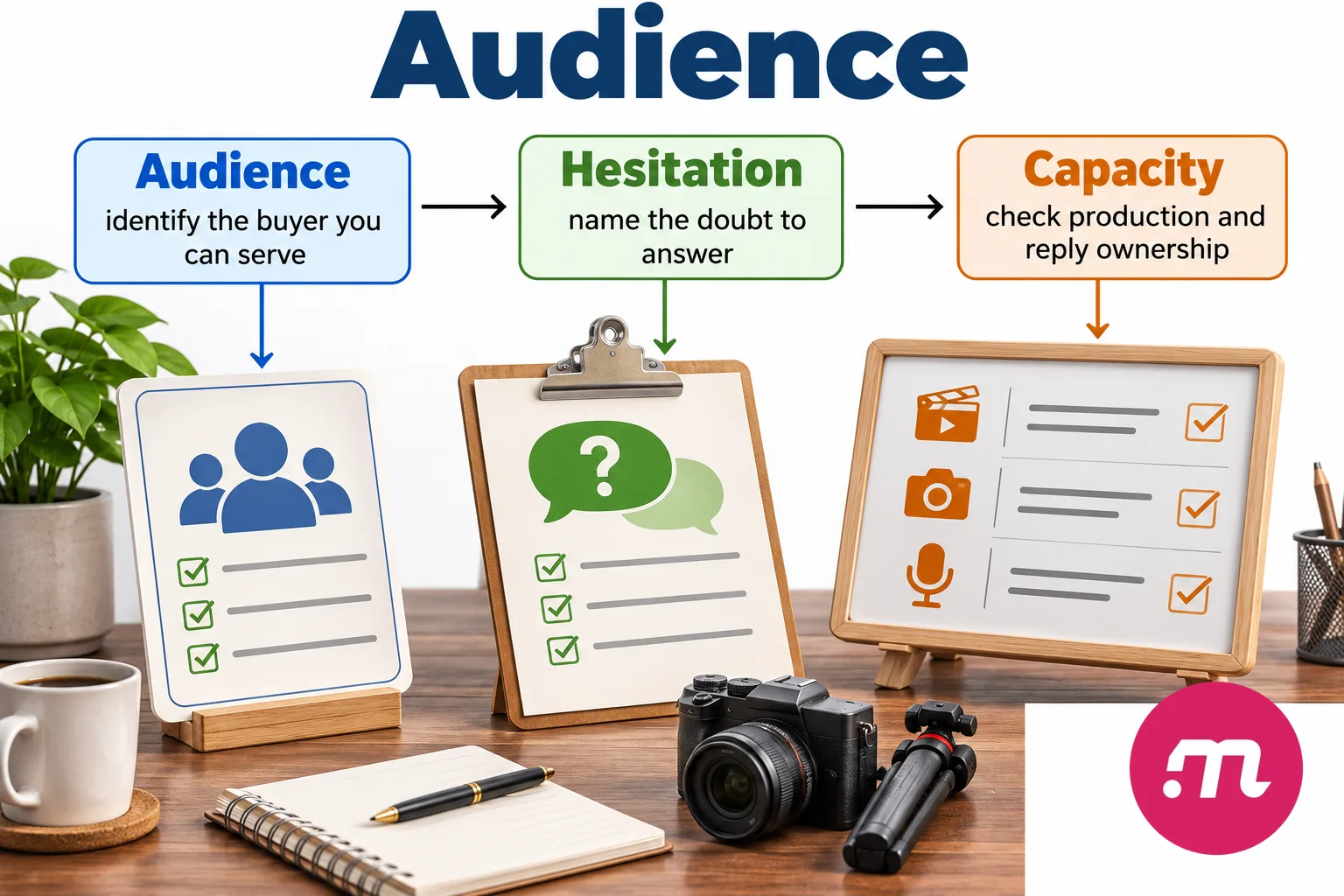
A useful social media marketing strategy records the buyer you want, the hesitation you can address and the action that follows. If you are asking what is a social media strategy, start with those choices. The channel is how you reach that buyer; the calendar is how your team executes the work.
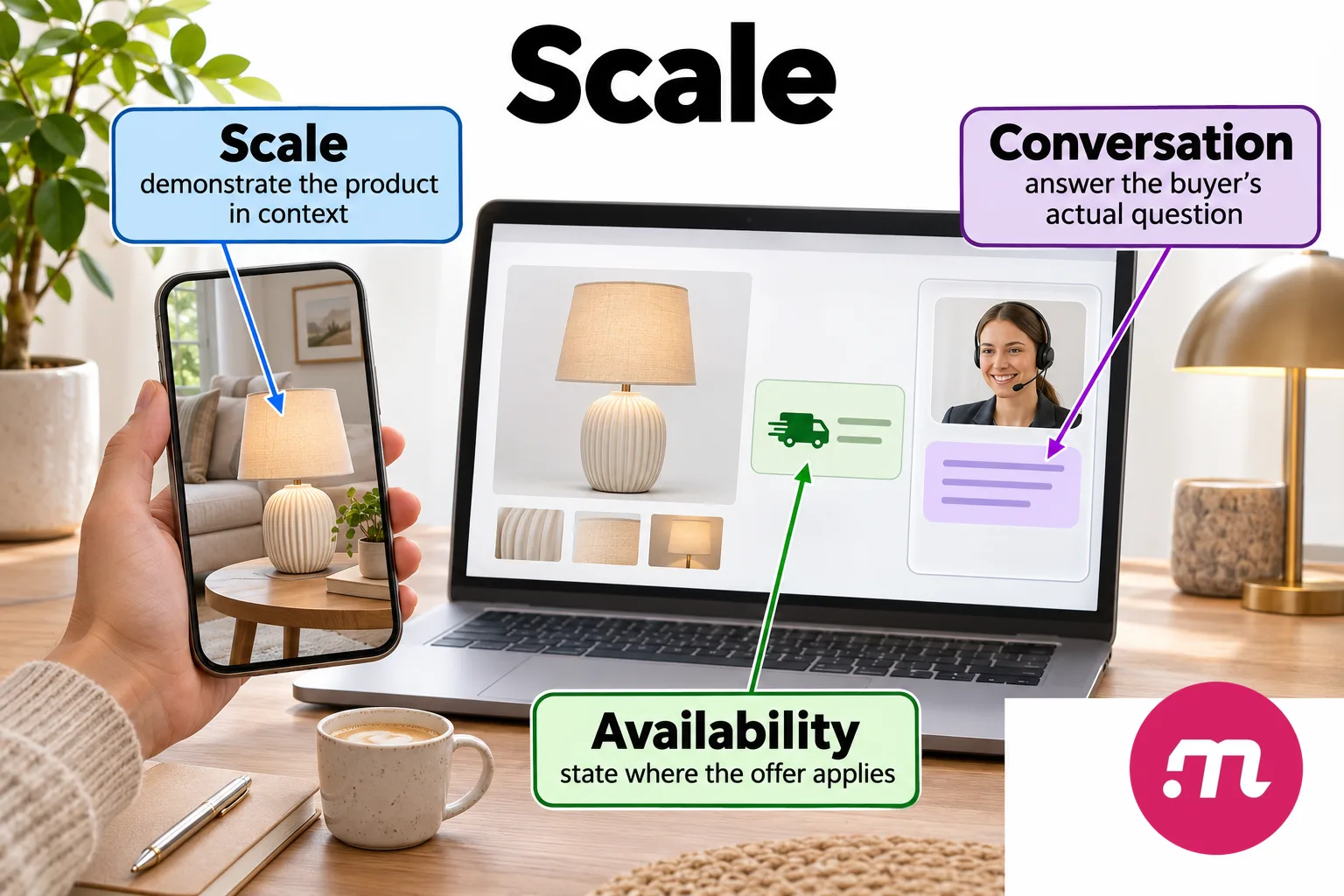
For a Jaipur home-decor brand, the hesitation might concern product scale or delivery. For a specialist software company, it might concern whether the product fits an existing workflow. A visual demonstration and a professional explanation solve different problems. We'd avoid assigning them the same content brief simply because both can be filmed.
Separate audience size from commercial fit
Ask whether the platform gives you access to people you can actually serve. Then ask whether you can keep answering their questions. A local business can attract substantial attention outside its service area without gaining suitable customers.
Read our guide to building a social media strategy before adding accounts. We would record a primary outcome for each chosen channel, such as a relevant product visit or a qualified consultation. Keep awareness signals alongside that outcome rather than treating every reaction as a sale.
Include production effort in the channel comparison. Record who can appear on camera, which product evidence is available and how approvals happen. An existing library of useful demonstrations can make a channel easier to test; a feed of attractive images with no buying explanation may not. We'd judge those assets by the questions they answer.
Also record what you will postpone. A business that cannot maintain a useful video series should not select a video-heavy plan because a competitor appears successful. Your production capacity is part of the decision, not an inconvenience to resolve later.
Compare the best social media platforms by job
Use a shortlist, not a popularity table
This comparison is our planning framework. It describes plausible roles to test, not performance benchmarks or promises about lead cost. Include WhatsApp as a response channel in the plan, while keeping its job separate from public discovery.
| Platform | Useful role to test | Content or workflow needed | Main trade-off |
|---|---|---|---|
| Visual product discovery | Demonstrations and relevant replies | Attention may come from unsuitable buyers | |
| Local communication and community contact | Specific service information | Relevance depends on your actual audience | |
| YouTube | Detailed answers and product education | A useful explanation worth watching | Production requires sustained effort |
| Visual ideas connected to products | Clear imagery and accurate destinations | Audience and shopping options need validation | |
| Professional expertise and conversations | Specific work-related insight | Generic promotional posts give little reason to engage | |
| Niche questions and informed feedback | Helpful participation within community rules | A copied sales pitch can damage trust | |
| Interested-buyer conversations | Permission and an accountable response owner | An unattended inbox wastes intent |
Judge the content you can supply
Ask the person producing the work to explain how a normal post would answer a buying question on the shortlisted platform. If the answer depends on a studio or expertise you don't have, include that cost before committing. We'd rather make a narrower plan that the team can maintain.
Instagram, Facebook and WhatsApp serve different jobs
Instagram: demonstrate the product decision
We would test Instagram when showing the product helps someone understand its value or suitability. For a proposed home-decor campaign, place an item in a real room and explain its dimensions. A styled photograph can attract attention, but a scale demonstration may resolve a more immediate buying doubt.
Use personality where it improves the explanation. A founder can explain why a material was chosen or demonstrate normal use without a formal brand introduction. Don't ask a creator to make an unsupported claim merely because their delivery sounds convincing.
Facebook: check local relevance
A service business could test Facebook content that explains the area served, appointment process or common job types. Review existing enquiries and community activity before assuming the platform is right. A familiar channel isn't automatically a productive one.
Community social media marketing tactics need a reason to exist beyond distribution. Answer the actual question and respect group rules. We wouldn't post the same promotional paragraph into unrelated discussions and call the resulting exposure qualified reach.
WhatsApp: make the response useful
When buyers need a conversation, give them a clear route to a staffed inbox. Carry the post's context into the reply: product, availability and the question they asked. Don't send a generic menu when a direct answer would help.
Use promotional follow-up with appropriate permission and respect requests to stop. Preserve a direct purchase route for customers who prefer checkout. We wouldn't force every buyer into a conversation simply because the team likes measuring messages.
For Indian ecommerce, make delivery restrictions and COD availability clear before the buyer commits effort. Regional-language content should lead to a page or reply the buyer can understand. A Hindi video with an inaccessible destination leaves the buying problem unresolved.
YouTube and Pinterest can support considered choices
YouTube: explain what a short clip cannot
Choose YouTube when the buyer needs a full demonstration, comparison or explanation. A detailed answer can support discovery as well as evaluation, but the title must describe what the video actually delivers. We wouldn't stretch a simple answer into a long video just to appear authoritative.
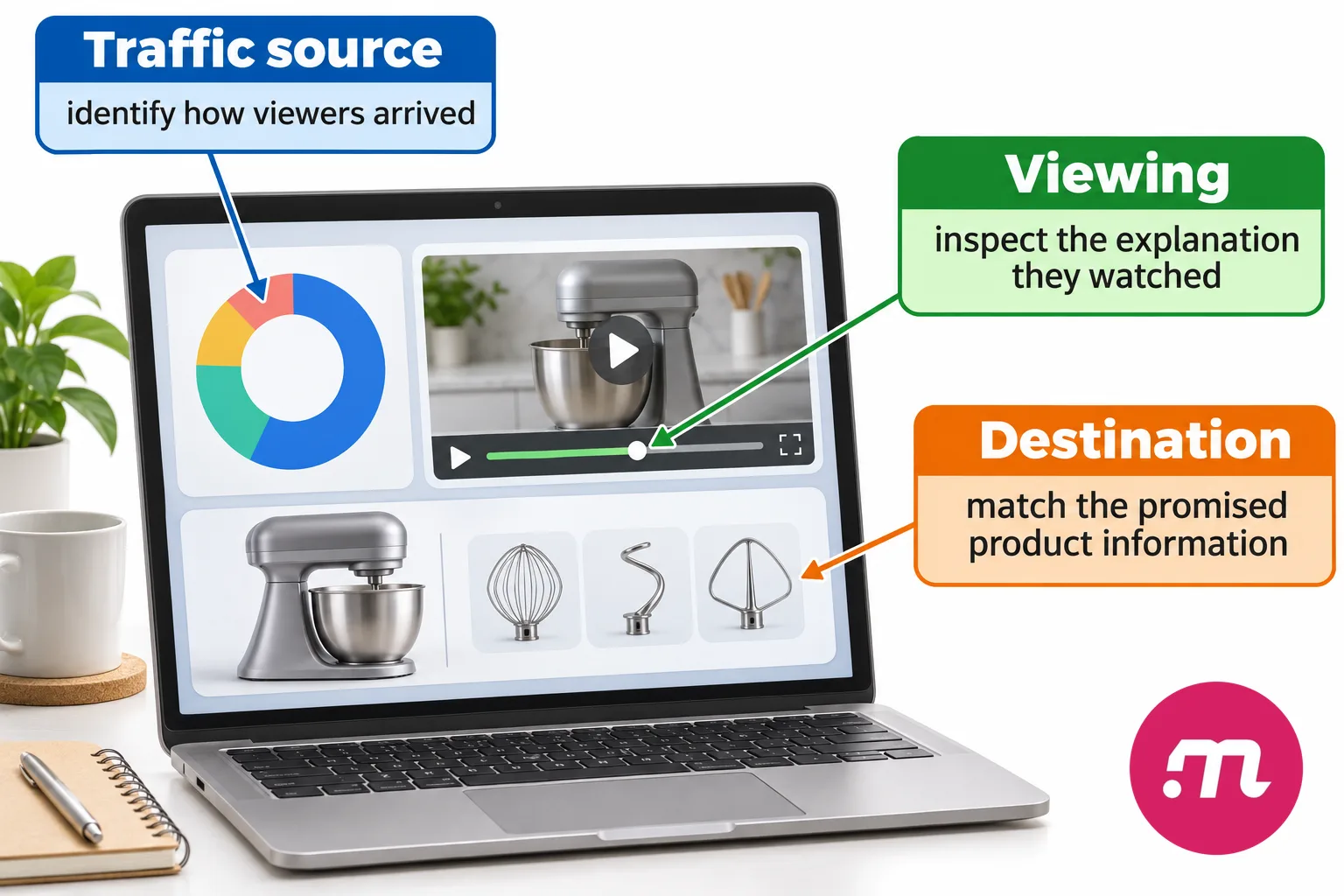
YouTube's content analytics documentation explains how to examine traffic sources and audience behaviour. Check whether viewers found the video through search, suggested content or another source, then inspect the explanation they watched. Views alone don't tell you whether the audience matches your buyer.
For a proposed appliance-accessory campaign, show compatibility checks before the installation demonstration. Explain the limits clearly and direct viewers to accurate product information. That is a test brief, not a claim that tutorials always generate purchases.
Pinterest: connect the idea with an accurate product
Pinterest deserves consideration when visual planning is part of the purchase, such as decor or styling. Pinterest's shopping guidance describes product-catalogue workflows. Check eligibility and available capabilities for your account and market before planning around them; a localised information page isn't confirmation of every advertising option.
We would test imagery that shows a product in a useful context and leads to the corresponding destination. Keep product information current. An appealing idea linked to an unavailable item creates frustration instead of a useful purchase path.
Both channels need more than a generic feed export. The material should answer the question that brought someone there. Reuse your evidence where possible, but adapt the explanation to the format.
LinkedIn and Reddit reward different contributions
LinkedIn: make the professional problem specific
We'd consider LinkedIn for a business whose buyer needs work-related expertise before a sales conversation. Explain a workflow problem, a decision trade-off or a lesson from approved work. A company announcement can be relevant, but repeated self-promotion gives a prospective customer little to use.
For paid activity, LinkedIn's targeting documentation describes professional attributes such as job title, company and industry. That makes professional context available as a planning input. It doesn't prove the audience will buy or that the lead cost will suit your margins.
A founder introducing business software could demonstrate how a specific role handles a task, then invite a conversation about suitability. We'd qualify the resulting conversations before treating every response as sales pipeline.
Reddit: contribute before promoting
Reddit can be useful when the buyer's problem is discussed in relevant communities. Read the rules and existing conversations before participating. Reddit's business guidance recommends useful contributions that fit the community and judging engagement quality beyond upvotes.
Answer a real question, disclose a relevant affiliation and accept that the useful contribution may not include a link. We wouldn't invent a customer persona or post a disguised recommendation. That is a poor foundation for trust.
Use public discussions to improve your understanding of objections without treating anonymous comments as verified market research. A repeated complaint is a hypothesis to investigate with your customers. Keep that distinction when you bring community language into a campaign brief.
For a niche business, either channel may provide fewer conversations than a broad consumer feed. The deciding factor is whether those conversations are relevant enough to justify the effort.
Choose advertising and software after the channel role
Paid reach needs a workable destination
The best social media platforms to advertise on depend on the audience, offer and outcome you can measure. Start with the platform where you have a defensible reason to reach the buyer. Then verify that the campaign capabilities you need are available to your account.
Don't transfer an organic popularity verdict directly into an advertising budget. An entertaining post may attract broad attention while a narrower product explanation produces more suitable enquiries. Compare the outcome you need, with a consistent definition of cost and customer.
Our performance marketing planning connects paid distribution with the offer and conversion path. We wouldn't pay to send more people to a page that leaves the campaign's main question unanswered.
Buy a tool for the work it removes
Social media advertising software controls paid activity. Publishing software organises content and scheduling. Buffer's product documentation describes planning and publishing across connected channels; that is different from deciding the strategy. Test the account types and exact actions your team needs before subscribing.
Compare total cost in INR, including seats, production and manual reporting left outside the tool. We wouldn't quote a universal software allowance or channel CAC here. Your workflow and margins decide what you can afford.
AI can help organise ideas or propose creative variations. Keep a person accountable for claims and budget decisions. Automated advice is only as useful as the conversion data and business assumptions behind it.
Build a platform plan you can review
Use a five-step selection process
- Record the business outcome and the buyer hesitation social content should address.
- Review existing enquiries and shortlist channels where relevant buyers can be reached.
- Choose a content format and a destination that answer the same question.
- Assign production, approval and response owners before scheduling.
- Review qualified outcomes and decide whether to repeat, revise or stop the test.
For a local decor brand, this could mean testing an Instagram demonstration with a relevant product page and an optional WhatsApp enquiry route. For business software, it could mean a LinkedIn explanation with a suitability consultation. These are proposed plans to validate, not reported client results.
Connect the report with the business
Google's campaign URL guidance recommends consistent source, medium and campaign parameters. Use them to distinguish channel traffic and keep creative versions identifiable. Test the mobile destination and the intended enquiry or purchase path before launch.
Review qualified leads or retained orders beside attention and clicks. ROAS compares attributed revenue with ad spend; it doesn't account for every cost or return. Don't add every platform's claimed conversions together, because their reports may credit the same sale.
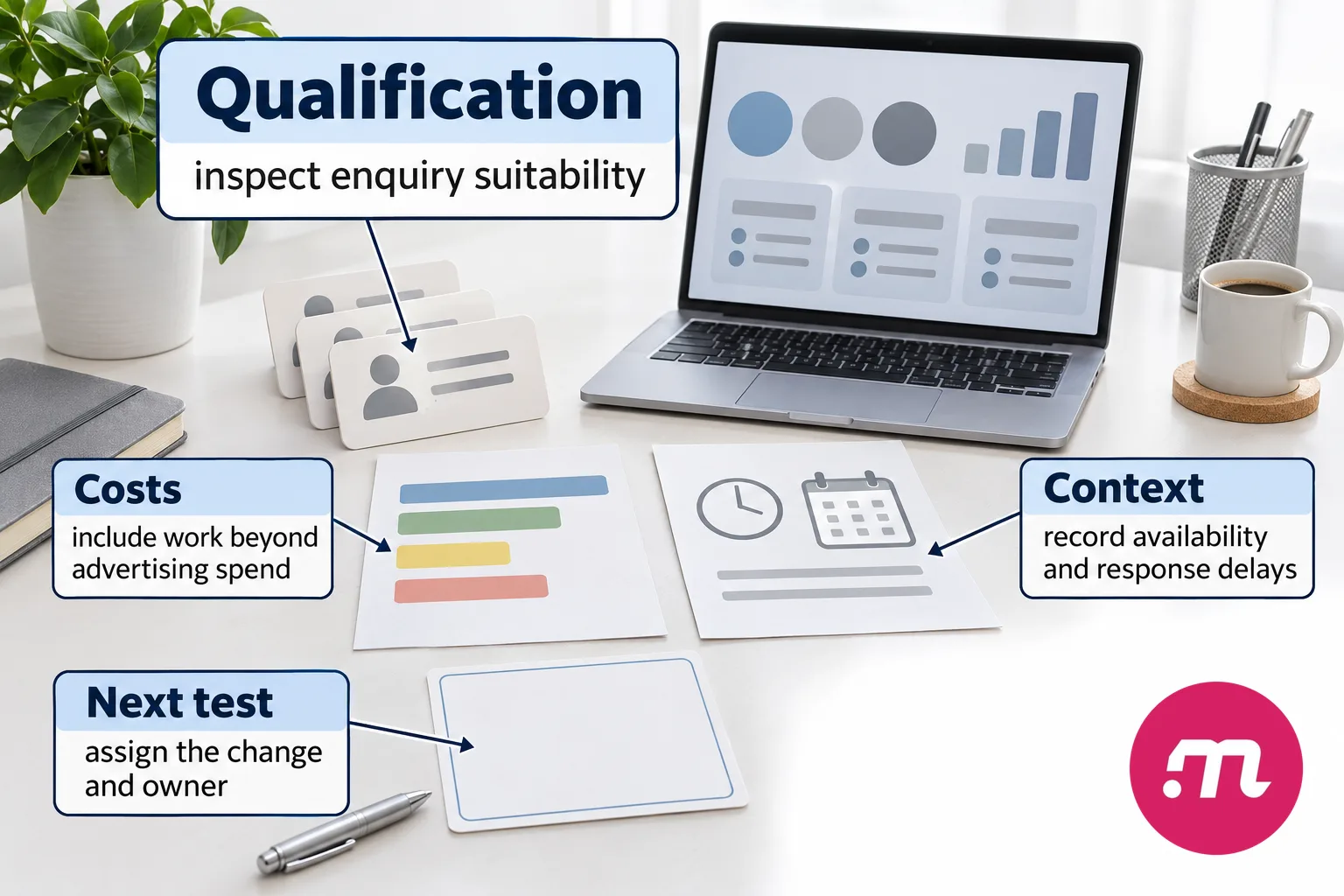
Keep a short operating checklist and use it before increasing production:
- Check whether enquiries match your product and service area.
- Read questions that the page or content still leaves unanswered.
- Inspect broken links and the response backlog.
- Name the owner of the next test and the reason for it.
We prefer that to reacting to every quiet day with a platform switch. Allow the evidence to reflect your buying cycle and record what else changed during the test. A delayed response or unavailable product can make a sound channel choice look unsuccessful. Resolve that problem before concluding that a different platform will fix it.
Conclusion: give each chosen platform a job
Choose the platform that fits your buyer's decision and the useful content you can maintain. Give discovery and response distinct roles, then inspect the path between them. Expanding the channel list is a later decision, supported by evidence rather than pressure to appear everywhere.
Book a free strategy call through Mommantum's social media service. Bring your current content plan and enquiry records. We'd use them to select the next channel test and the result that would justify continuing it.
Frequently Asked Questions
Key takeaways and practical details on this topic.
The best social media platforms for business depend on the buyer's decision and the content your team can maintain. Instagram may suit visual discovery, YouTube a detailed explanation and LinkedIn a professional conversation. We would assign each chosen channel a measurable role before committing to a larger production calendar.
The best social media platforms for marketing are those where you can reach relevant buyers with a useful explanation and a clear next action. Start with audience evidence rather than a national popularity ranking. We would check where existing enquiries come from and what content those customers actually need.
Choose advertising platforms according to your audience, offer and the outcome you can measure consistently. An organic post's popularity doesn't prove it deserves paid distribution. We would test the destination and qualification process before allocating more spend, then judge suitable enquiries or retained orders alongside the campaign's attention metrics.
The best social media platforms for a small business are the ones it can serve well with limited production and response capacity. Choose a discovery channel and a clear destination before expanding. We'd rather maintain useful content and reliable replies on a narrow plan than leave several accounts unattended.
The best social platform for making money depends on how the business earns revenue: product sales, services, subscriptions or creator income. A large audience alone doesn't establish profitability. We would define the revenue model first and include production, fulfilment and customer acquisition costs when judging whether a channel is worthwhile.
The best social media platforms in India depend on buyer behaviour, language and the action your business needs. Consider Instagram, Facebook, YouTube or LinkedIn where the audience evidence fits, and a response route such as WhatsApp. We would verify your service area and language support before pursuing broader reach.
A social media strategy records the buyer you want to reach, the message they need and the business outcome your activity should support. Channel selection follows those choices. We would also name the content and response owners, so the strategy can guide daily decisions rather than remain a presentation nobody uses.
The best social media management tool is the one that supports your actual accounts and removes a defined workflow problem. Trial scheduling, approvals and reporting with the people doing the work. We'd check the exact formats and inbox actions required, because broad channel connectivity doesn't guarantee every capability you need.
A B2B software business should test a channel where it can explain a specific professional problem to the intended buyer. LinkedIn is a candidate; a relevant niche community may also inform your message. We'd choose a clear next step, such as a suitability conversation, and review its quality before expanding.
Connect a client's platform choice with business results by defining the buyer hesitation and useful next action before selecting formats. Give each channel a job that supports that decision. We would review qualified enquiries or retained orders alongside reach, so a polished feed cannot become the only evidence of success.
Compare software for your Facebook, Instagram and LinkedIn accounts using the exact workflows your team needs. Run a corrected draft through approval and inspect a real reporting output. We'd also test community-response actions separately, then compare the subscription cost with the manual work still left outside the tool.
A design-software business should consider visual channels when demonstrating the output helps a relevant buyer understand the product. Keep the professional decision and next action clear rather than selecting channels by the B2B label alone. We'd test a specific demonstration and inspect the quality of resulting product visits or conversations.
Ready to implement this for your brand?
Connect with our Jaipur growth studio to turn these strategies into revenue for your D2C or ecommerce business.